
A home can look move-in ready during a showing and still have issues that only become visible when someone examines the systems behind the finishes. Property inspections give buyers a clearer view of what they are purchasing before conditions are removed, negotiations end, and the cost of repairs becomes their responsibility.
For buyers in Saint John, the Kennebecasis Valley, Fredericton, and surrounding New Brunswick communities, an inspection is not a formality. It is a practical safeguard during one of the largest financial decisions most people will make. The goal is not to make a house fail. The goal is to identify material concerns, explain what they may mean, and help you move forward with realistic expectations.
What Property Inspections Are Designed to Do
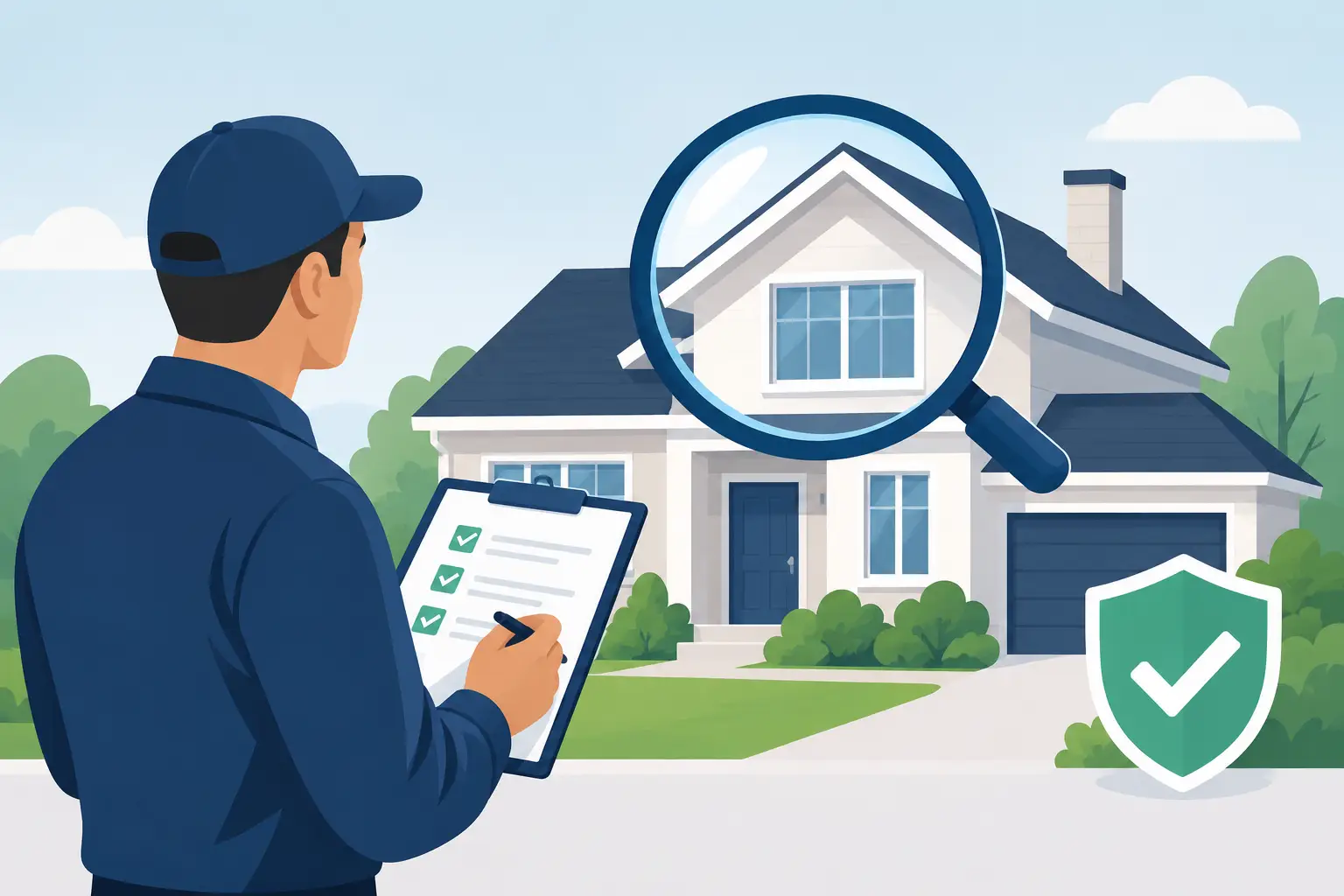
A professional residential inspection is a detailed, non-invasive assessment of a home’s readily accessible and visible components. It provides a snapshot of the property’s condition on the day of the inspection. That snapshot can uncover safety concerns, deferred maintenance, signs of water intrusion, aging systems, and defects that may warrant repair or further evaluation.
A thorough inspection commonly reviews the roof, exterior, structure, foundation, attic, insulation, interior rooms, plumbing, electrical system, heating and cooling equipment, fireplaces, doors, windows, kitchens, bathrooms, decks, and other accessible features. The findings are documented so buyers can understand both the concern and its practical priority.
This does not mean every issue is expensive or that an older home must perform like a new one. Age, construction style, renovations, weather exposure, and maintenance history all matter. A well-written report distinguishes between normal wear, maintenance items, safety issues, and conditions that deserve prompt attention.
Why a Walk-Through Is Not Enough
A buyer’s showing is built around first impressions. You may be considering layout, natural light, neighborhood, and whether your furniture will fit. Those are valid considerations, but they do not reveal whether a bathroom has an active leak below the floor, whether an electrical panel has unsafe defects, or whether attic insulation is concealing evidence of moisture.
Even experienced buyers can miss important clues. Fresh paint can hide staining. Stored belongings can limit views of foundation walls. A furnace may start during a brief showing but still have visible installation, venting, or maintenance concerns. A roof can appear acceptable from the ground while showing defects at penetrations, flashings, or accessible attic areas.
An inspector approaches the property differently. The work is methodical, with attention to function, safety, and the relationship between building systems. For example, a stain on a ceiling is not just a cosmetic observation. It leads to questions about the roof, plumbing above, attic conditions, ventilation, and whether the area appears dry or active.
The Value of Thermal Imaging During an Inspection
Thermal imaging adds another layer of information to a visual inspection. An infrared camera detects surface temperature differences that may not be obvious to the eye. Depending on conditions, those differences can point to areas that deserve closer review, such as possible moisture patterns, missing or disturbed insulation, air leakage, or overheating electrical components.
The technology is valuable because hidden concerns do not always announce themselves with peeling paint or a visible drip. A cooler area near a window may indicate air leakage. An unusual temperature pattern on a ceiling may support a closer look for possible moisture. A warmer-than-expected electrical connection can signal a condition requiring attention.
Thermal imaging is not X-ray vision, and it does not independently confirm every cause of a temperature difference. Outdoor temperatures, recent sun exposure, heating patterns, insulation levels, and furnishings can affect readings. A qualified inspector uses infrared findings alongside visual observations, moisture measurements when appropriate, system operation, and construction knowledge. Used properly, it helps direct attention where it is most needed.
Infrared Home Inspections includes thermal imaging with each inspection because a more complete assessment should not depend on whether a buyer pays extra to look beyond the surface.
Findings That Can Affect Your Decision
Most homes have findings. The question is whether those findings fit your budget, risk tolerance, and plans for the property. A loose handrail and a furnace nearing the end of its typical service life are both relevant, but they call for different decisions.
Safety concerns
Safety-related findings deserve careful attention because they can affect the people living in the home. Examples may include exposed electrical wiring, improper panel conditions, missing guardrails, unsafe deck connections, combustion venting concerns, or inadequate clearance around heating equipment. Some issues can be corrected quickly, while others require evaluation by a qualified contractor.
Water and moisture indicators
Water is one of the most damaging forces in a house. A small plumbing leak, poor grading, roof defect, or inadequate drainage can lead to staining, wood deterioration, mold-like growth, insulation damage, and costly repairs if left unresolved. Inspectors look for visible signs around plumbing fixtures, in basements and crawl spaces, at roof and wall transitions, and in attic areas.
Not every stain indicates an active leak, and not every damp area means a major structural problem. Still, understanding the evidence before closing gives you a chance to ask the right questions and seek further assessment where warranted.
Major systems nearing replacement
Heating equipment, air conditioning components, water heaters, roofs, and electrical systems all have limits. An inspection cannot predict the exact day a system will fail, but it can identify visible condition concerns, approximate age where available, installation issues, and signs that maintenance or budgeting may be needed soon.
This is especially helpful in competitive markets. Buyers sometimes feel pressure to overlook aging components to keep a deal moving. Knowing what is likely ahead lets you decide whether the purchase price, condition, and future investment still make sense together.
How an Inspection Supports Better Negotiations
A report gives you documented information to discuss with your real estate agent and, when appropriate, the seller. Depending on the transaction, buyers may request repairs, ask for a credit, renegotiate based on significant defects, or proceed with a clearer repair plan after closing.
The strongest negotiations are usually focused on material conditions rather than minor cosmetic items. Electrical safety issues, water intrusion, roof defects, structural concerns, or a non-functioning major system often carry more weight than a scuffed wall or worn caulking. Your agent can help you determine what is reasonable in the context of the offer and local market conditions.
There is also value in choosing to proceed without asking for changes. If the inspection shows manageable maintenance needs and you understand the likely costs, you can move ahead with greater confidence. Clarity is useful even when it does not change the contract.
What a Good Inspection Experience Should Feel Like
You should not receive a technical report and be left to interpret it alone. A quality inspection experience includes the opportunity to discuss findings in plain language, ask questions, and understand what needs immediate attention versus what can be planned for over time.
Same-day digital reporting is particularly useful when deadlines are tight. Clear photos, concise descriptions, and organized findings make it easier to review the property with your agent, share appropriate details with contractors, and keep a record for future maintenance. Mobile-friendly access also matters when you are coordinating a purchase from work, traveling, or managing a busy household.
Credentials and experience matter, too. An inspector with formal training, insurance coverage, and trade knowledge can evaluate observed conditions with a stronger understanding of how residential systems are intended to work. No inspection can eliminate all risk, particularly where areas are inaccessible or defects are concealed, but diligence substantially improves the information available to you.
Preparing for Your Inspection
If possible, attend the inspection. You do not need to follow every step, but being present near the end gives you an opportunity to see key concerns and ask practical questions. Bring a short list of anything you noticed during your showings, such as an odor, a sticking door, a stain, or a room that felt unusually cold.
Keep the inspection in perspective. A detailed report may look long because a home has many systems and every observation is documented. Length alone does not determine severity. Focus first on safety, active moisture concerns, major system defects, structural observations, and items requiring timely professional evaluation.
The best time to understand a property’s condition is before you own it. A careful inspection cannot make the decision for you, but it can replace guesswork with useful facts and help you purchase with your eyes open.