Categories Electrical

What Do Home Inspectors Look For in a House?

What Do Home Inspectors Look For in a House?

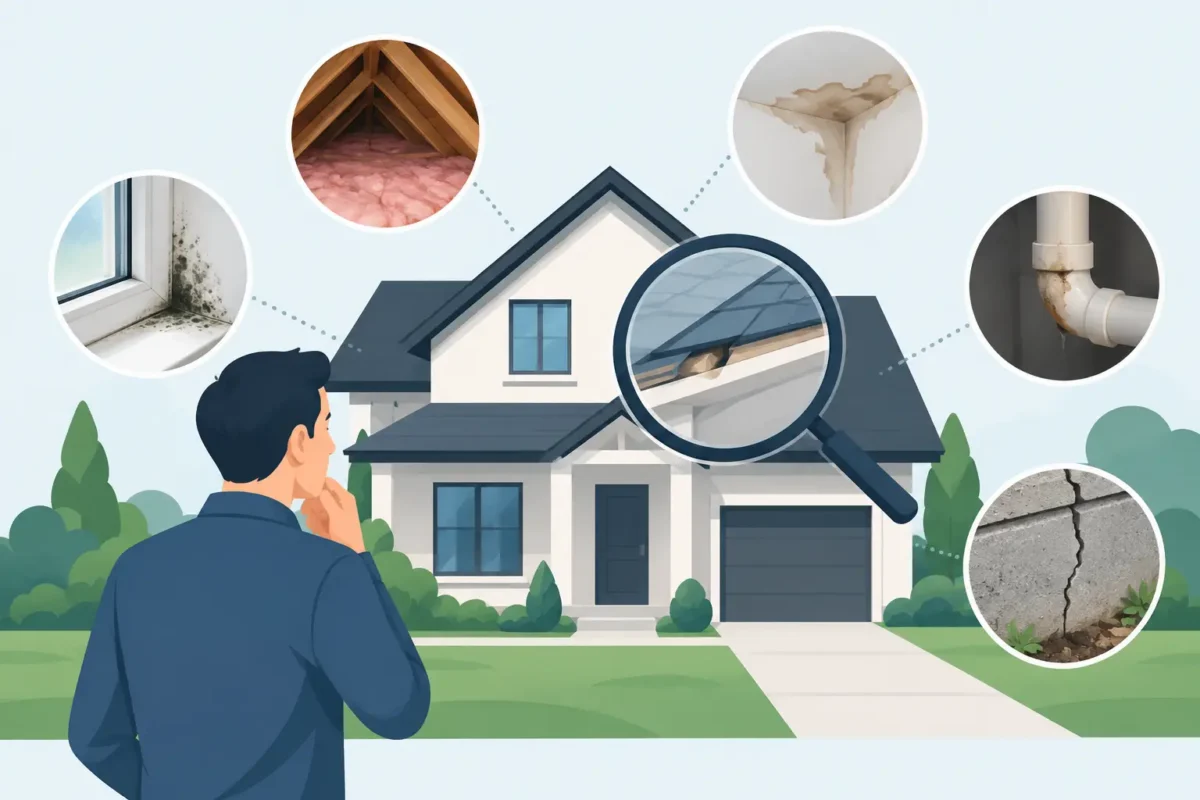
A home can look move-in ready during a showing and still have concerns behind finished walls, beneath insulation, or inside critical systems. So, what do home inspectors look for? They look for visible defects, safety hazards, signs of water intrusion, aging components, and conditions that could lead to expensive repairs after closing.

A professional inspection is not a pass-or-fail test, and it does not predict every future repair. It is a detailed, noninvasive assessment of the home’s condition on the day of the inspection. For buyers, that information can replace assumptions with facts before one of the largest financial decisions they will make.

What Do Home Inspectors Look For During an Inspection?

A thorough home inspector evaluates the accessible major components and systems of a property. The goal is to identify material defects, explain why they matter, and document findings clearly enough for buyers and their real estate professionals to act on them.

The scope will vary based on the property, weather, accessibility, and the inspection standards that apply. A roof covered by snow, a locked crawl space, or a panel blocked by stored belongings cannot be fully evaluated. Those limitations should be clearly stated in the report so there are no surprises about what was and was not inspected.

The roof, exterior, and drainage

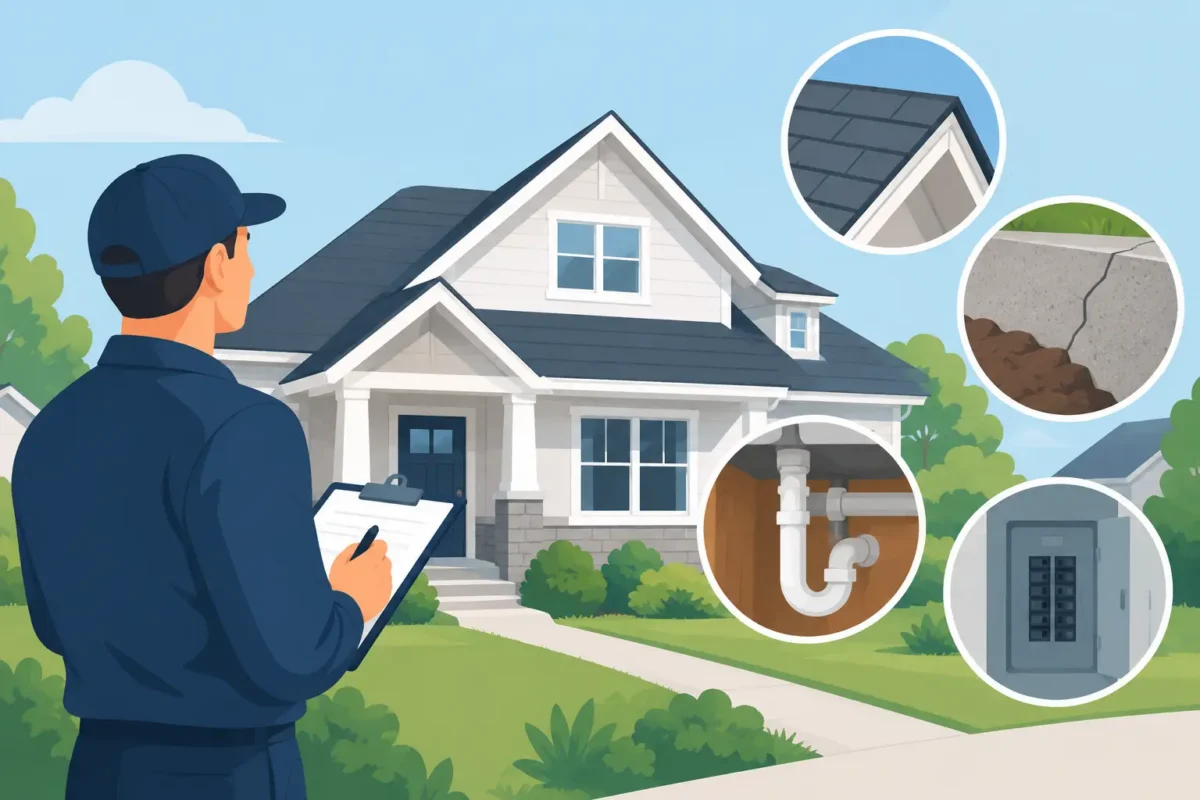
The outside of a house is its first defense against water. Inspectors look at roof coverings, flashing, gutters, downspouts, siding, trim, windows, doors, decks, grading, and drainage around the foundation.

Missing or damaged shingles, deteriorated flashing, soft roof areas, loose siding, failed caulking, and improper drainage can all allow water into the home. In New Brunswick, repeated freeze-thaw cycles and heavy seasonal weather can accelerate wear. A small exterior maintenance issue can become a larger moisture, mold, or structural concern if it is ignored.

Inspectors also look for grading that slopes toward the house, downspouts that discharge too close to the foundation, and deck components that are loose, decayed, or improperly supported. These may not be cosmetic details. They can affect water management and safety.

The foundation, structure, and moisture clues

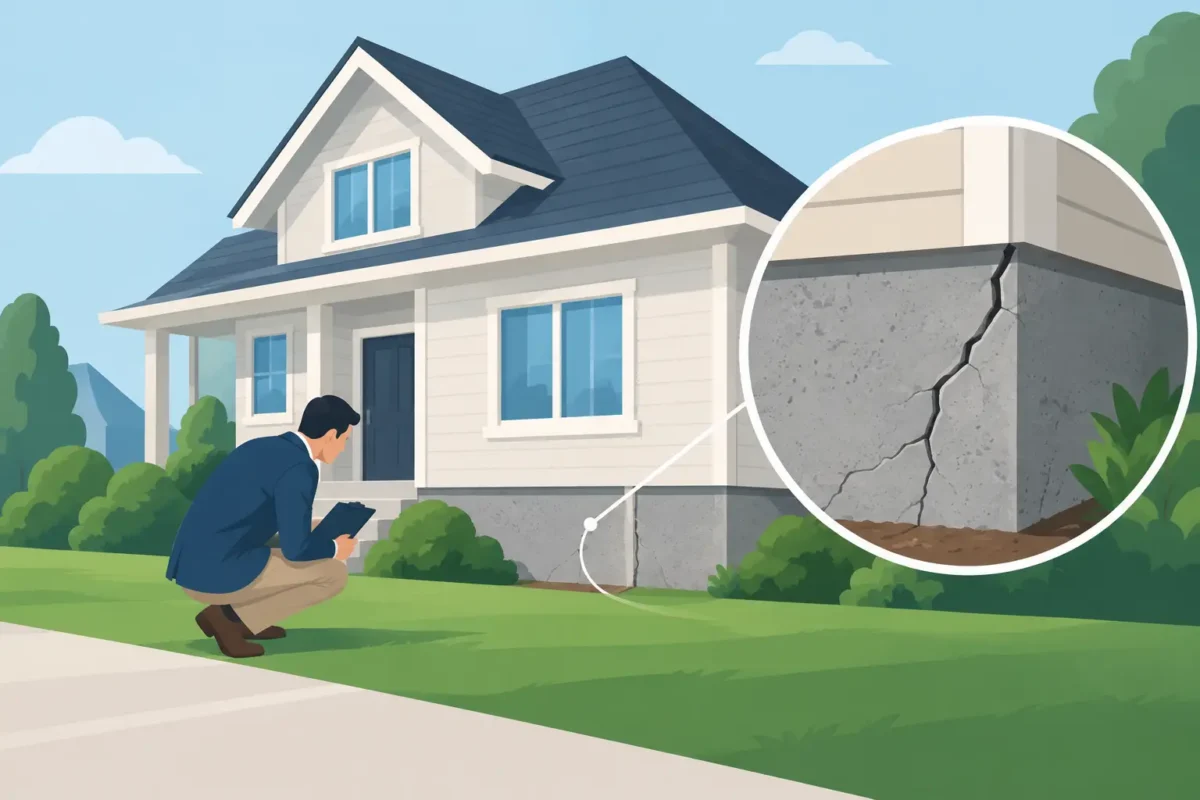
Foundation cracks are common, but not all cracks mean the same thing. An inspector considers their size, location, direction, and whether there are related signs of movement, such as uneven floors, sticking doors, separated trim, or cracks in interior finishes.

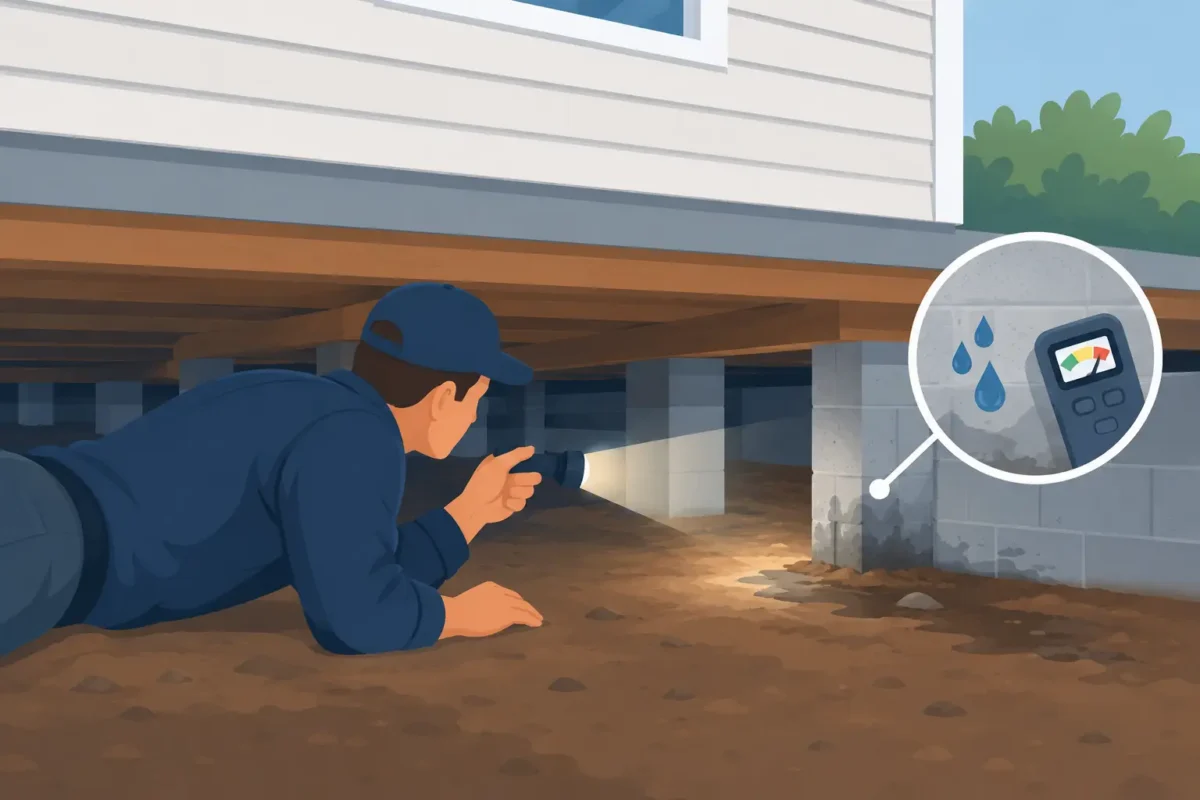
The inspection also includes accessible basements, crawl spaces, framing, floors, walls, and ceilings. Inspectors watch for moisture staining, active leaks, wood deterioration, inadequate support, pest damage, and signs that a previous repair may need further evaluation.

Thermal imaging can add another layer of information here. At Infrared Home Inspections, complimentary thermal imaging is used to help identify temperature differences that may point to moisture, missing insulation, air leakage, or electrical overheating. An infrared image is not a diagnosis by itself. It helps direct attention to areas that may need closer review, moisture confirmation, repair, or specialist assessment.

Electrical Safety Is a Major Focus

Electrical issues can be hidden in plain sight, especially in older homes that have been updated over several decades. A trained inspector reviews the accessible service equipment, electrical panel, visible wiring, outlets, switches, fixtures, grounding, and safety devices.

Common concerns include double-tapped breakers, incorrect breaker sizing, open junction boxes, exposed wiring, outdated panel components, missing covers, and improper wiring methods. Inspectors also test representative receptacles and look for ground-fault circuit interrupter protection where it is commonly expected, such as bathrooms, kitchens, garages, exterior areas, and unfinished spaces.

Not every electrical issue requires a major rewire. Some are straightforward repairs, while others may warrant review by a licensed electrician. The value of identifying them before closing is knowing what needs attention and avoiding the assumption that an outlet or panel is safe simply because the lights turn on.

Plumbing and water-related concerns

Inspectors examine accessible supply lines, drain pipes, fixtures, visible shutoff valves, water heaters, sump systems, and signs of leakage. They operate faucets and flush toilets where practical to observe flow, drainage, leaks, and fixture condition.

They may find a dripping trap under a sink, corroded piping, slow drainage, loose toilets, poor water pressure, or a water heater nearing the end of its expected service life. Water heaters are reviewed for visible leakage, venting where applicable, temperature-pressure relief components, and installation concerns.

A home inspection does not usually include a sewer scope or a full water-quality test unless those services are arranged separately. Those added evaluations can be worthwhile for certain properties, particularly older homes, homes with known drainage concerns, or properties served by private wells or septic systems.

Heating, cooling, and ventilation

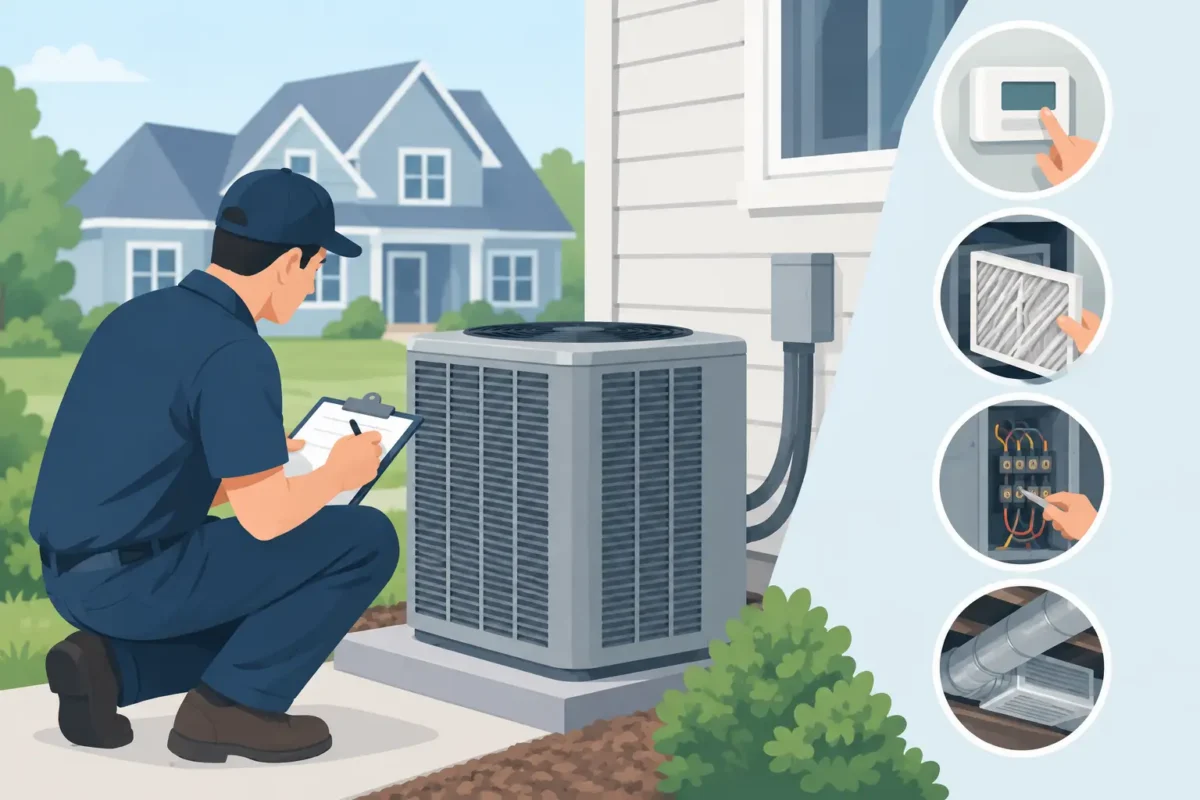
Comfort systems are expensive to replace, which makes their condition especially relevant during a purchase. Inspectors operate heating and cooling equipment using normal controls when conditions permit, then assess accessible components for visible defects, poor installation, unusual operation, and deferred maintenance.

The inspection may identify aging equipment, damaged ductwork, dirty filters, inadequate clearances, missing insulation on ducts, or combustion-related concerns. A system that runs briefly during an inspection is not guaranteed to perform perfectly through every season. Still, visible deficiencies and performance concerns provide useful grounds for further review or repair planning.

Ventilation matters as well. Bathroom fans, kitchen exhaust, attic ventilation, dryer vents, and combustion venting all affect moisture control, indoor air conditions, and safety. Improperly vented bathroom fans, for example, can deposit warm humid air into an attic, where it may contribute to condensation and mold-like growth.

Attics, Insulation, Windows, and Interior Surfaces

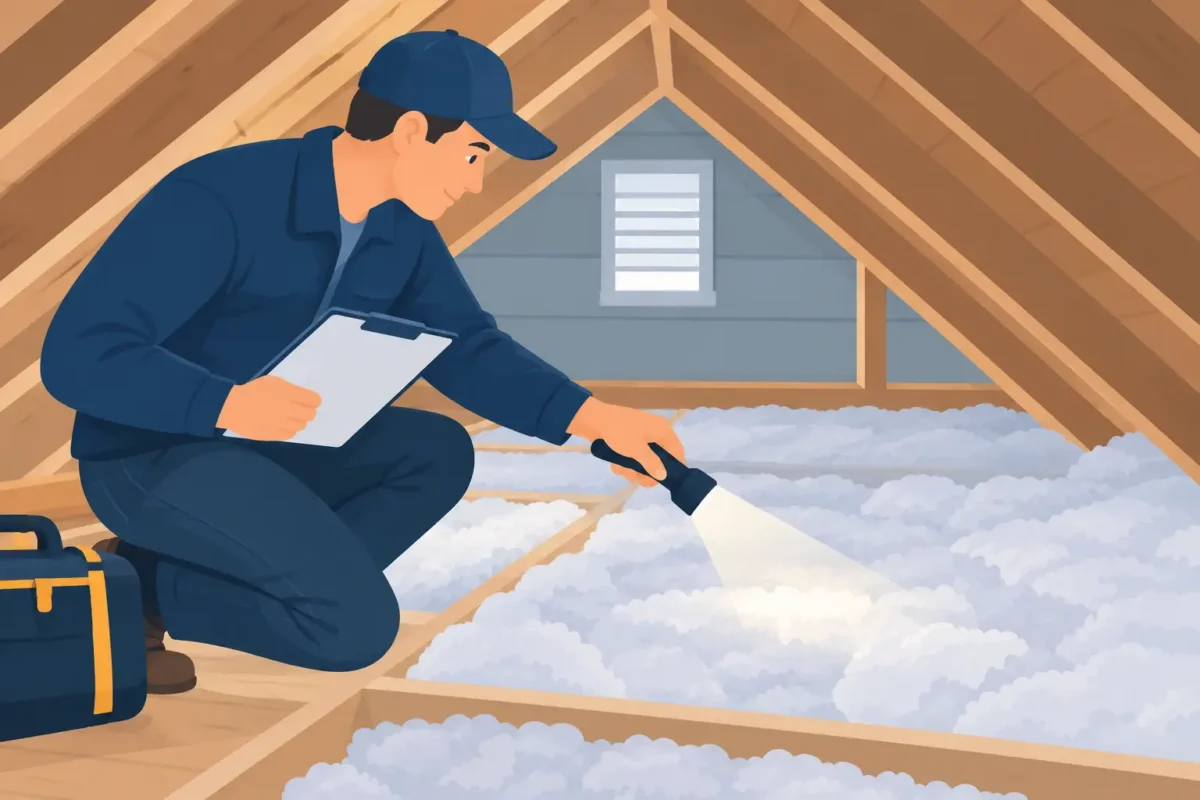
Attics often tell a revealing story about a house. Inspectors look for roof leaks, staining, inadequate insulation, open penetrations, damaged framing, poor ventilation, and signs of moisture. They also watch for unsafe or improperly installed wiring in accessible attic spaces.

Inside the home, inspectors assess representative doors, windows, walls, ceilings, floors, stairs, railings, cabinets, and built-in appliances. They are not judging paint colors or minor wear from normal use. They are looking for conditions that affect function, safety, or the likelihood of hidden damage.

Windows that do not open, doors that do not latch, damaged stair railings, cracked glazing, and evidence of recurring water staining should be documented. Small findings still matter because they help buyers understand the real maintenance workload after possession.

Kitchens, bathrooms, fireplaces, and appliances

Kitchens and bathrooms contain many of the home’s most frequently used fixtures, water connections, and electrical outlets. Inspectors check accessible cabinets, counters, sinks, faucets, drains, toilets, tubs, showers, ventilation, and representative appliances.

For fireplaces and solid-fuel appliances, the inspector evaluates accessible visible components and basic safety conditions. A standard home inspection is not a full chimney sweep, code certification, or internal flue examination. If there are visible concerns or the system has not been professionally serviced, a qualified fireplace or chimney specialist may be recommended.

What an Inspection Report Should Give You

A useful report does more than list defects. It organizes findings by location and severity, includes clear photos, explains the practical concern, and recommends an appropriate next step. Buyers should be able to distinguish between immediate safety issues, significant repairs, maintenance items, and conditions to monitor.

Same-day digital reporting is particularly helpful when an inspection contingency or negotiation timeline is tight. Just as important is the chance to ask questions. A good inspector should be willing to review the findings with buyers and agents in plain language, without minimizing legitimate concerns or turning ordinary maintenance into unnecessary alarm.

The inspection report can support repair requests, price discussions, specialist evaluations, and future budgeting. It should not be used as a reason to expect a resale home to be perfect. Every home has maintenance needs. The key question is whether you understand the condition of the home well enough to proceed confidently and plan responsibly.

Before you remove an inspection condition, take time to read the full report, not just the summary. Ask about any safety item, active moisture concern, structural indication, or system that may be near the end of its service life. Clear answers before closing can protect your investment long after the moving boxes are unpacked.

Categories Electrical

Infrared Thermal Imaging Home Inspection Explained

Infrared Thermal Imaging Home Inspection Explained

A freshly painted ceiling can look flawless at a showing, even when a slow roof leak has been wetting the insulation above it. An infrared thermal imaging home inspection adds another layer of protection by helping identify temperature differences that may point to hidden concerns behind finished surfaces, under floors, or within electrical components.

For buyers in Saint John, the Kennebecasis Valley, Fredericton, and surrounding New Brunswick communities, that added information can matter greatly. A home purchase is not the time to rely on appearances alone. Thermal imaging does not replace a detailed visual inspection, but when used by a trained inspector, it can help turn an otherwise invisible issue into a clear question that deserves further evaluation before closing.

What Thermal Imaging Actually Shows

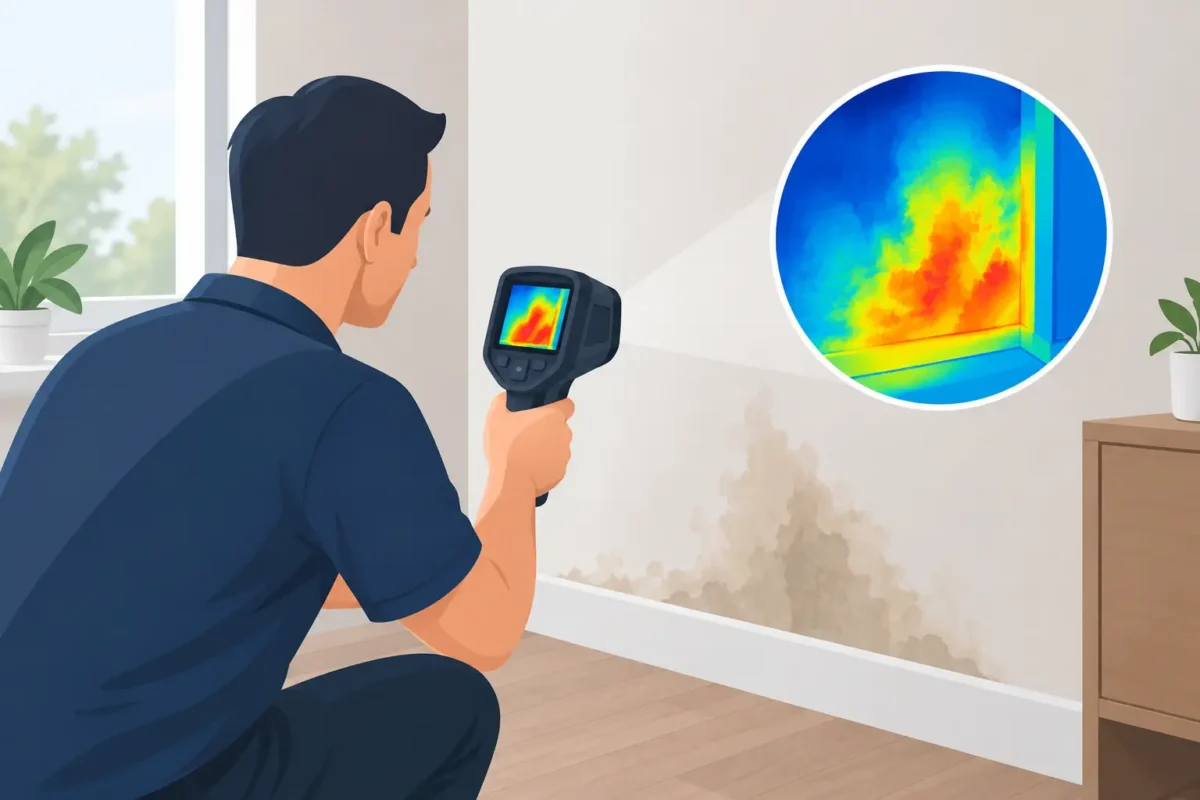
An infrared camera does not see through walls or identify a defect simply by taking a picture. It detects surface temperatures and displays them as a pattern of colors or shades. A colder area may appear dark or blue, while a warmer area may appear yellow, orange, or red, depending on the camera settings.

Those temperature patterns can be meaningful. For example, an unusually cool area on an interior ceiling may be consistent with moisture evaporation, missing insulation, or air leakage. A warm electrical connection may suggest resistance or an overloaded component. The image is a clue, not a final diagnosis.

That distinction protects you from two common mistakes: assuming every color variation is a problem, or dismissing a suspicious pattern because no stain or damage is visible. A qualified inspector considers the image alongside construction type, weather conditions, accessible components, moisture readings when appropriate, and visible evidence. The goal is an honest assessment of what the condition may mean and what next step is reasonable.

Infrared Thermal Imaging Home Inspection: What It Can Reveal

Thermal imaging is especially valuable because many costly home issues begin out of sight. During a residential inspection, it may help identify conditions that warrant closer review in several major areas.

Moisture Intrusion and Roof Leaks

Water does not always leave an obvious stain right away. A small roof leak, plumbing leak, or exterior wall intrusion can wet building materials long before paint bubbles or drywall softens. Because evaporation can cool a surface, an infrared camera may reveal an area that differs from the surrounding material.

This is particularly helpful around roof penetrations, bathroom ceilings, windows, exterior doors, basements, and plumbing fixtures. A thermal anomaly alone cannot confirm a leak. However, it gives the inspector a reason to investigate the location more closely and document the concern for the buyer.

Insulation Gaps and Air Leakage

New Brunswick winters put homes under real pressure. Inadequate attic insulation, gaps around recessed lights, poorly sealed windows, and air leakage at exterior walls can contribute to cold rooms, drafts, condensation, and higher heating costs.

Thermal imaging can help reveal uneven insulation coverage or areas where conditioned air may be escaping. This does not mean every cooler wall section requires a major repair. Differences may result from framing, exterior temperatures, sunlight, or normal building design. Still, when a pattern is significant and consistent with other observations, it can point to improvements worth pricing before or after purchase.

Electrical Concerns

Electrical problems can be difficult to assess visually when panels, wiring, and connections are enclosed. Under the right load conditions, thermal imaging may identify unusually warm breakers, connections, outlets, switches, or service equipment.

Heat can be associated with loose connections, overloaded circuits, deteriorated components, or other conditions requiring attention. A thermal scan is not a substitute for an electrical evaluation by a licensed electrician when a concern is found. It is a practical screening tool that can help identify where further investigation is needed – before a minor issue becomes a safety concern.

Plumbing and Heating Issues

A thermal camera can sometimes assist in tracing active plumbing lines, locating suspected moisture near fixtures, or identifying uneven heat distribution from radiators, baseboard units, or forced-air systems. It can also provide useful context when a floor feels unusually cold or a room does not heat consistently.

Results depend on the system, its operating condition, and the temperature difference between the component and nearby materials. If the heating system has not been running, a camera cannot create information that is not present. This is why a careful inspection involves operating accessible systems where conditions allow and explaining any limitations in the report.

Why Conditions Matter During a Thermal Scan

Thermal imaging works best when there is a meaningful temperature difference, known as a thermal gradient, between indoors and outdoors or between a component and its surroundings. On a cold day, missing insulation or air leakage may be easier to identify from inside the home. On a warm, sunny day, exterior surfaces can retain heat and create patterns that need careful interpretation.

Rain, wind, recent heating cycles, furniture against walls, rugs, closed blinds, and direct sunlight can all affect what the camera sees. That is not a reason to avoid thermal imaging. It is a reason to use it correctly.

A diligent inspector documents visible conditions, understands the limits of the technology, and does not overstate a finding. If a suspicious temperature pattern appears, the report should explain the location, why it may matter, and whether monitoring, repair, moisture testing, or specialist review is recommended.

How Thermal Findings Help Home Buyers Make Better Decisions

A thermal image is most useful when it leads to a clear decision. If moisture is suspected near a bathroom, you may ask for further investigation or request repairs before closing. If the attic shows inconsistent insulation, you can factor an upgrade into your budget. If electrical equipment shows unusual heat, you can seek evaluation by a qualified electrician and better understand the potential safety implications.

Not every finding should end a transaction. Homes of every age have maintenance needs, and many conditions are manageable. What matters is knowing about them early enough to make an educated decision rather than discovering them after possession.

For first-time buyers, that clarity can reduce the stress of interpreting an unfamiliar home. For experienced buyers and real estate professionals, detailed findings can support more focused negotiations and realistic repair planning. The value is not in alarming language or dramatic images. It is in evidence that helps you ask the right questions.

Thermal Imaging Is Strongest as Part of a Complete Inspection

A camera cannot inspect what is inaccessible, verify the remaining life of a roof, or guarantee that no future leak will occur. It cannot see through every material, and it cannot replace hands-on testing, visual review, or professional evaluation of specialized systems.

That is why Infrared Home Inspections includes complimentary thermal imaging as part of a comprehensive inspection rather than treating it as a stand-alone service. The inspector reviews accessible exterior elements, roofing, foundations, attics, insulation, plumbing, electrical systems, heating and cooling equipment, kitchens, bathrooms, doors, windows, decks, fireplaces, and other major components. Thermal imaging strengthens that process by adding useful evidence where the eye alone may not be enough.

A same-day digital report should make the results understandable, with photos, clear descriptions, and practical recommendations. Just as important, you should have the opportunity to discuss the findings directly with your inspector and your real estate agent, so technical observations become useful next steps.

Before you remove conditions or finalize a purchase, choose an inspection that looks beyond a clean surface and a quick checklist. The right information cannot make the decision for you, but it can help you move forward with clearer expectations, stronger negotiating confidence, and greater peace of mind.