
A home can look move-in ready during a showing and still hold problems behind finished walls, beneath insulation, or inside aging systems. This choosing qualified inspector guide helps you look beyond a low price or a quick appointment and select a professional who can give you clear, useful information before you commit to a purchase.
A home inspection is not a formality between an accepted offer and closing. It is one of your best opportunities to understand the condition of a property, identify safety concerns, plan for future costs, and negotiate from a position of knowledge. The right inspector will not decide whether you should buy the home. They will provide the evidence and explanation you need to make that decision wisely.
Start With Training, Credentials, and Real-World Experience
Anyone can use a checklist. A qualified home inspector understands what the checklist means in a real house, including how building components work together and where defects tend to appear.
Ask about the inspector’s training, certifications, and continuing education. Membership in a respected inspection organization, such as InterNACHI, can demonstrate that an inspector has completed recognized education and follows established standards of practice. Certification alone is not the whole story, but it is a meaningful starting point.
Relevant trade experience adds another level of practical insight. An inspector with electrical, construction, roofing, plumbing, or HVAC experience may be better equipped to recognize warning signs that a purely visual review could overlook. For example, electrical trade experience can help an inspector identify concerns involving panel labeling, improper wiring methods, aging equipment, or conditions that warrant evaluation by a licensed electrician.
Credentials should be easy to confirm, not vague claims buried in advertising. A professional inspector should be comfortable explaining their background, the standards they follow, and the type of properties they inspect. If the answer feels evasive, keep looking.
Make Sure the Inspection Scope Matches the Home
Not every inspection covers the same components, and not every property presents the same risks. Before you book, ask what is included in the standard inspection and what limitations may apply.
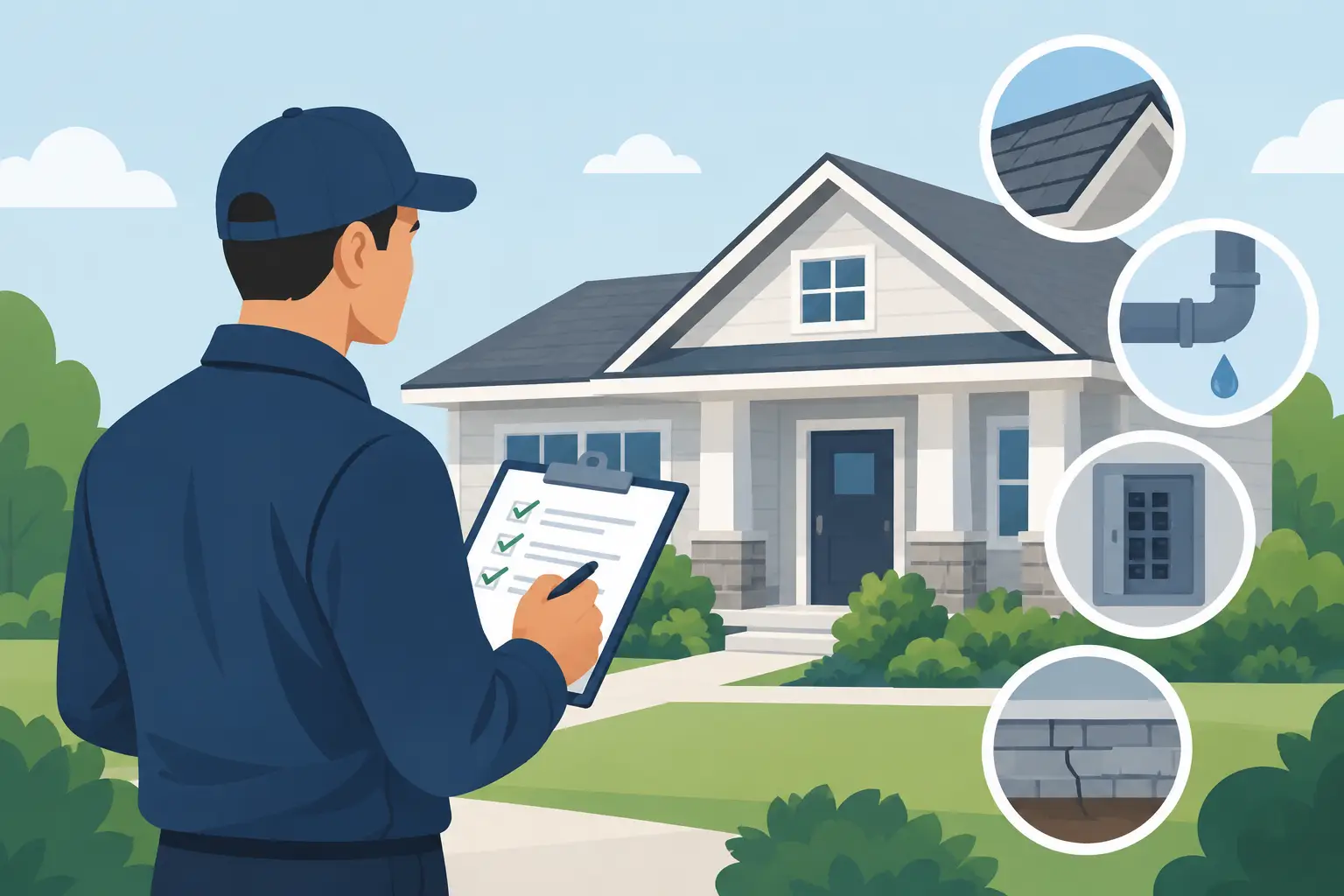
A comprehensive residential inspection should generally examine accessible exterior elements, roofing, structure, foundation, attic and insulation, crawl spaces where present, plumbing, electrical systems, heating and cooling equipment, interior rooms, windows, doors, kitchens, bathrooms, fireplaces, decks, and other visible major components. The inspector should clearly explain that an inspection is a visual, non-invasive assessment rather than a guarantee that every concealed condition will be found.
That distinction matters. An inspector cannot see through every wall or predict exactly when an older furnace will fail. But a thorough inspection can identify evidence of moisture intrusion, unsafe wiring, inadequate ventilation, structural movement, poor drainage, and deferred maintenance that deserves closer attention.
Older homes, rural properties, renovated houses, and homes with additions often need extra scrutiny. If the property has a well, septic system, wood stove, pool, detached building, or suspected mold or asbestos concern, ask whether specialized testing or a separate evaluation may be appropriate. A qualified inspector will tell you where the inspection ends and when another expert should be involved.
Ask How Thermal Imaging Is Used
Thermal imaging is a valuable inspection tool when used correctly. Infrared cameras can reveal temperature differences that may point to moisture, missing insulation, air leakage, overheating electrical components, or plumbing concerns. It can help an inspector find areas that deserve further investigation when visual clues are limited.
However, thermal imaging is not X-ray vision. A cool area on an image may be caused by an air leak, a wet material, missing insulation, or normal temperature variation. The inspector must interpret the image in context, verify the condition where possible, and explain what the image does and does not prove.
Look for an inspector who includes thermal imaging as part of a complete process, not as a flashy add-on. At Infrared Home Inspections, complimentary thermal imaging is used with the visual inspection to support a more complete assessment of accessible home systems and conditions.
Confirm Insurance and Professional Protection
Even the most careful inspector works within the limits of an accessible, non-invasive inspection. Professional insurance is one sign that an inspection business takes its responsibility seriously.
Ask whether the inspector carries Errors and Omissions insurance and General Liability insurance. Errors and Omissions coverage addresses professional services, while General Liability coverage addresses certain accidental property damage or injuries. Coverage does not replace competence, but it provides an added layer of accountability.
You can also ask whether the inspector participates in a consumer protection program, such as a qualifying buy-back guarantee. Read the terms carefully. These programs have eligibility requirements and limitations, but they can provide added reassurance when paired with a detailed inspection from a properly insured professional.
Avoid choosing solely on price. A lower inspection fee may be appealing during an expensive transaction, but the cost difference can be small compared with a missed roof leak, electrical hazard, foundation concern, or failing heating system. Your goal is not the cheapest report. It is reliable information that helps protect a major investment.
Evaluate the Report Before You Need It
The inspection report is what you will use after the appointment to discuss repairs, request estimates, plan maintenance, and make decisions with your real estate agent. Ask to see a sample report before hiring an inspector.
A useful report should be clear, organized, and specific. It should identify the location of a concern, explain why it matters, include supporting photos when appropriate, and distinguish between immediate safety issues, significant repair needs, and routine maintenance. A report that only says “repair as needed” without describing the observed condition is difficult to use.
Mobile-friendly digital reports are particularly helpful when you need to review findings quickly with your agent, contractor, or family members. Same-day delivery can also matter in a competitive market with short inspection deadlines. Speed should not come at the expense of accuracy, but a responsive inspector understands that your timeline is real.
Be cautious of reports that turn every minor imperfection into an emergency. No home is perfect, especially an older one. A good inspector provides perspective. Loose caulking, a worn weatherstrip, and a damaged handrail do not carry the same urgency, even though each may need attention. The report should help you prioritize rather than leave you overwhelmed.
Choose an Inspector Who Welcomes Questions
The strongest inspection experience includes more than receiving a PDF after the fact. You should have an opportunity to ask questions during the inspection, review major findings, and understand what next steps make sense.
Ask whether you are welcome to attend, at least for the final walkthrough. Being present can help you see the condition firsthand and hear explanations in plain language. If you cannot attend, confirm that the inspector is available by phone afterward to review the report.
Pay attention to communication before you book. Are your questions answered directly? Does the inspector explain scheduling, pricing, scope, and report delivery clearly? Professionalism before the inspection is often a good indicator of how you will be treated when an unexpected issue appears in the report.
An inspector should be independent and objective. They may recommend further evaluation by qualified specialists, but they should not pressure you to use a particular contractor or minimize concerns to keep a transaction moving. Their role is to provide an honest assessment of observed conditions so you can make an educated decision.
Use Reviews Carefully, Not Blindly
Client reviews can reveal patterns in an inspector’s service. Look beyond star ratings and read what clients say about thoroughness, communication, punctuality, report quality, and the inspector’s willingness to answer questions. Comments from buyers who felt informed rather than rushed are especially meaningful.
At the same time, a handful of glowing reviews does not prove technical ability, and one negative review does not automatically disqualify a business. Consider the overall pattern, the inspector’s response to concerns, and whether their stated process aligns with what past clients describe.
Questions to Ask Before You Book
Before making your choice, have a short conversation with the inspector. Ask about their certifications and trade background, whether they are insured, what the inspection includes, whether thermal imaging is part of the service, when you will receive the report, and how they handle follow-up questions.
Also ask how long the inspection is likely to take. A rushed inspection of a large or older property should raise questions. Time alone does not equal quality, but a careful inspection requires enough time to examine accessible systems, document findings, and communicate clearly.
The best answer is not always the one that sounds most reassuring. A qualified inspector may tell you that some conditions cannot be confirmed without invasive testing or specialist review. That honesty protects you far more than false certainty.
When you choose an inspector who combines verified qualifications, thorough scope, useful technology, clear reporting, and direct communication, you give yourself room to pause, ask better questions, and move forward with confidence in a decision that deserves care.