Categories Electrical

HVAC Inspection Before Buying a House: What to Check

HVAC Inspection Before Buying a House: What to Check

A furnace that starts during a showing and an air conditioner that blows cool air for five minutes can make a home feel move-in ready. Neither observation tells you whether the equipment is safe, correctly installed, near the end of its service life, or hiding a repair that could cost thousands after closing. An HVAC inspection before buying a house gives you a clearer picture of the systems responsible for comfort, indoor air quality, and, in a New Brunswick winter, basic livability.

For buyers in Saint John, the Kennebecasis Valley, Fredericton, and nearby communities, heating and cooling equipment deserves more than a quick glance at the thermostat. A thorough home inspection evaluates visible, accessible HVAC components in the context of the whole house, then explains what the findings may mean for your budget, safety, and purchase decision.

Why HVAC Deserves Close Attention Before Closing

HVAC equipment is expensive to replace, but the purchase risk is not limited to the unit itself. A furnace, boiler, heat pump, oil tank, duct system, venting arrangement, electrical disconnect, condensate drain, or thermostat can each affect performance and safety. Problems may also point to broader issues such as moisture in a mechanical room, inadequate insulation, poor attic ventilation, or an undersized electrical service.

Age matters, but it is not the whole story. A well-maintained older system may have useful life remaining, while a newer unit can have poor installation, neglected filters, damaged ducts, or recurring repair needs. The goal is not to demand that every used home have brand-new equipment. It is to identify material concerns before they become your responsibility.

That information can help you decide whether to proceed, ask the seller to address a safety issue, request documentation, adjust your offer, or set aside realistic funds for replacement. It also protects you from treating a clean mechanical room or a recent service sticker as proof that everything is operating properly.

What an HVAC Inspection Before Buying a House Can Reveal

A home inspection is a visual, non-invasive assessment of accessible components. It is not a substitute for a full HVAC contractor evaluation, system cleaning, combustion analysis, or engineering review. Still, an experienced inspector can identify many conditions that warrant attention and recommend further assessment when appropriate.

Heating equipment and fuel safety

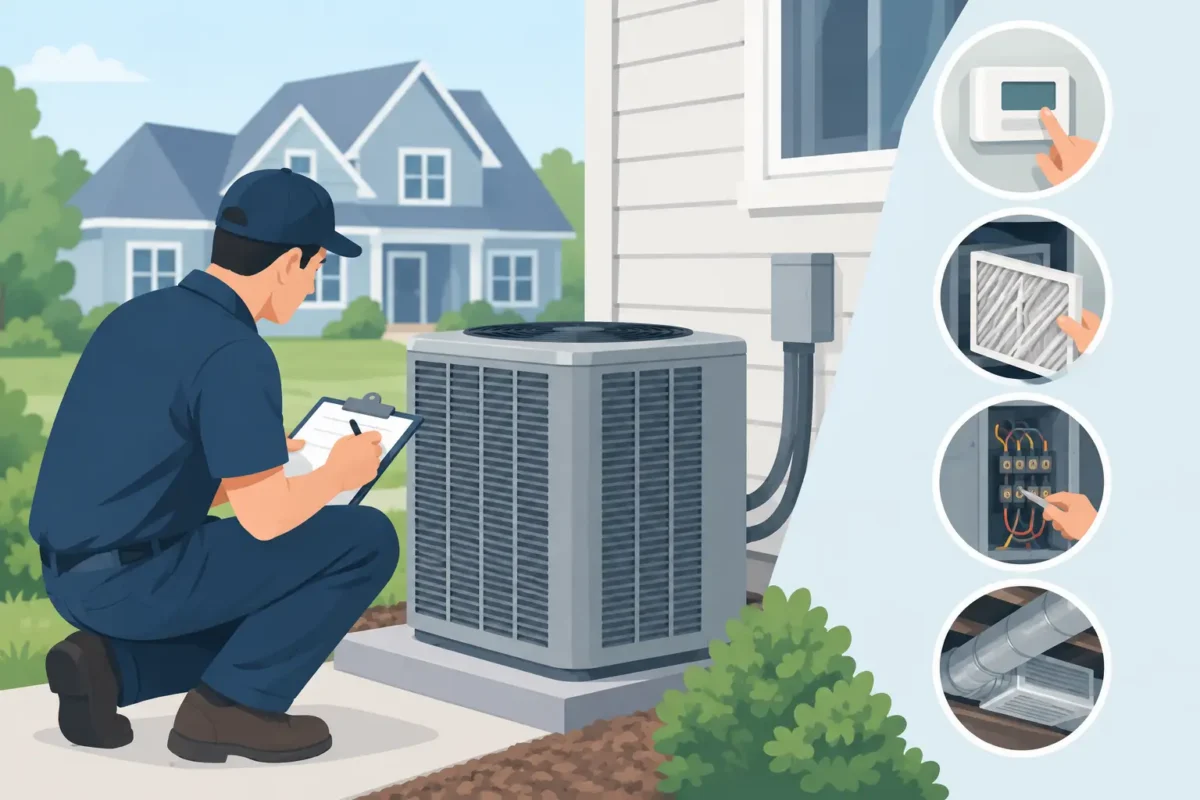
The inspection should identify the type of heating system and observe its visible condition and operation when conditions allow. This may include a furnace, boiler, heat pump, electric baseboard heat, ductless mini-splits, or another installed source of heat. The inspector looks for concerns such as rust, damaged panels, improper clearances, loose or deteriorated vent connections, missing safety components, and signs of leakage.

For fuel-burning equipment, proper venting is especially important. Improperly routed, disconnected, corroded, or visibly compromised flues can create a potential carbon monoxide hazard. A home inspector cannot see inside every concealed section of a vent or certify combustion performance, but visible warning signs should not be ignored. Functional carbon monoxide alarms are a sensible safety measure in any home with fuel-burning appliances or an attached garage.

Oil-fired heating systems require careful attention as well. Visible tank condition, support, piping, shutoff components, and evidence of leakage can have major financial implications. If a tank appears aged, damaged, or questionable, a buyer may need further evaluation by a qualified specialist and, depending on the circumstances, documentation related to the tank and surrounding area.

Cooling, heat pumps, and seasonal limits

Air conditioning and heat pump operation may be limited by outdoor temperatures or manufacturer guidance. Running cooling equipment when it is too cold outside can damage the system, so a responsible inspection does not force a test simply to check a box. That is a trade-off buyers should understand, especially during a fall, winter, or early spring purchase.

When operation is appropriate, the inspection can observe whether the system starts, produces a reasonable temperature difference, drains condensate, and shows obvious defects at accessible components. The outdoor unit, refrigerant line insulation, disconnect, visible wiring, coil condition, and mounting are all relevant. Excessive noise, vibration, ice, oil staining, damaged fins, or a unit that cycles abnormally may justify a licensed HVAC technician’s review.

A heat pump can be an efficient choice, but its value depends on the model, installation quality, backup heat source, insulation levels, and how the home is used. Do not assume a heat pump will perform the same way in every house or that an advertised efficiency rating guarantees low utility costs.

Ductwork, airflow, and comfort issues

Ductwork is easy to overlook because much of it is hidden in basements, crawl spaces, attics, and chases. Where accessible, an inspector may identify disconnected ducts, crushed flexible ducting, inadequate support, missing insulation, heavy debris, or obvious air leakage. These issues can reduce comfort and efficiency even when the furnace or heat pump itself is in working order.

Uneven temperatures from room to room can have several causes. The problem may be duct design, a blocked register, insufficient return air, poor insulation, air leakage around windows, or an incorrectly sized system. A home inspection can flag the visible clues, but diagnosing the exact cause may require HVAC testing or an energy assessment.

Electrical and drainage details

HVAC equipment relies on safe electrical connections and reliable water management. The inspector will observe accessible disconnects, service switches, visible wiring, circuit protection, and signs of overheating or improper installation. Electrical trade experience is particularly valuable when evaluating the visible electrical components that support major mechanical equipment.

Condensate drains also deserve attention. A blocked or poorly routed drain can lead to water damage, mold-like growth, or a system shutdown. In high-efficiency furnaces and air-conditioning systems, look for secure piping, appropriate drainage, and no obvious evidence of past overflow around the unit.

How Thermal Imaging Adds Useful Context

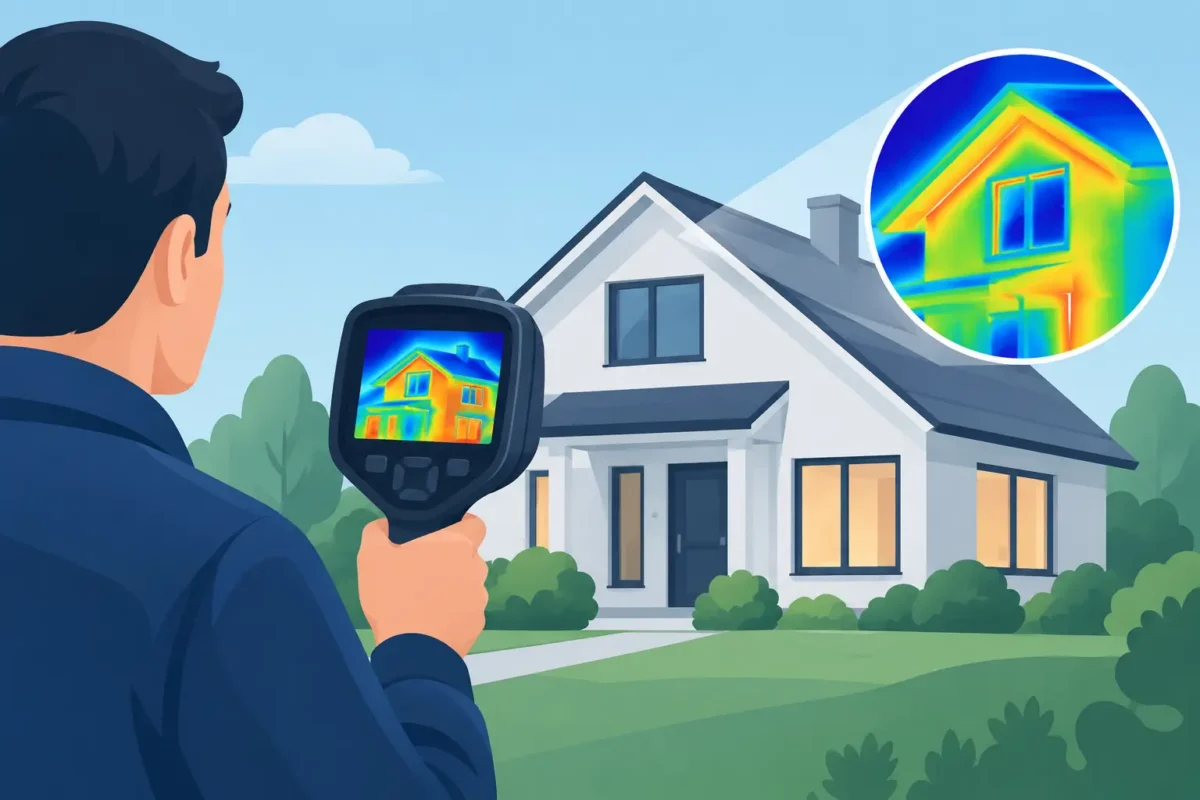
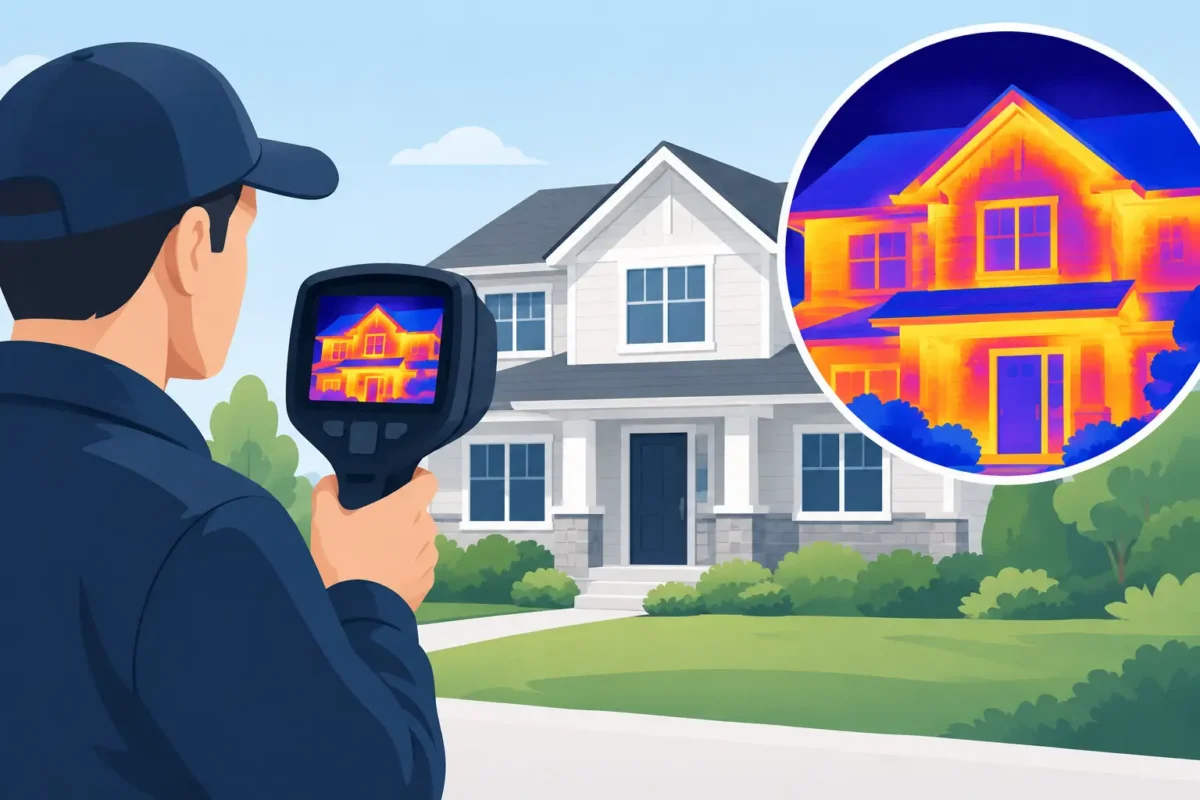
Thermal imaging is not an X-ray, and it cannot measure refrigerant levels or confirm that every hidden duct is intact. What it can do is help reveal temperature patterns that deserve a closer look. During an inspection, infrared imaging may identify unusually cool or warm areas near supply registers, possible air leakage around ductwork, moisture patterns associated with condensate concerns, or insulation gaps affecting comfort.

At Infrared Home Inspections, complimentary thermal imaging is included with every inspection because visible conditions alone do not always tell the full story. A thermal image must be interpreted alongside the home’s construction, weather conditions, system operation, and moisture indicators. Used correctly, it supports a more complete assessment rather than replacing hands-on inspection or specialist testing.

Questions Buyers Should Ask About the HVAC System

Before removing inspection conditions or finalizing your purchase, ask for available records. Service invoices, installation permits, warranties, maintenance agreements, and equipment manuals can help establish the system’s history. They may also show whether a repair was a one-time issue or part of a recurring problem.

Ask when the equipment was installed, when it was last professionally serviced, and whether there have been leaks, failures, frozen pipes, comfort complaints, or insurance claims involving the mechanical systems. Sellers may not have every answer, particularly in an estate sale or rental property, but missing documentation is still useful information when planning your due diligence.

If the home inspection identifies a significant concern, ask a qualified HVAC contractor for a written evaluation and estimate. Be specific about what you need answered: Is there an immediate safety issue? Can the system be repaired? What is the expected remaining life? Is replacement recommended, and what related work might be needed? A replacement quote that excludes duct modifications, electrical upgrades, oil tank work, or venting changes may not reflect the complete cost.

Know What Requires Specialist Follow-Up

Some findings should prompt action before closing, not a wait-and-see approach. These include suspected gas or oil leaks, improper combustion venting, active water leakage, unsafe electrical conditions, a system that will not operate, evidence of overheating, or equipment at or beyond typical service life with no maintenance history.

Other findings may be manageable planning items. A unit nearing the later stage of its expected life, minor duct insulation deficiencies, a dirty filter, or an aging thermostat does not automatically make a home a bad purchase. The right response depends on the property’s price, the condition of other major systems, your renovation plans, and the reserve funds you will have after closing.

A careful inspection report separates observed defects from routine maintenance and explains when a licensed specialist should take the next step. Same-day reporting and a post-inspection review are especially helpful when you are working within a tight real estate condition period and need to understand the practical priority of each finding.

Make the Decision With Your Eyes Open

No inspector can promise that a mechanical system will never fail after you buy a home. Equipment can break unexpectedly, and concealed defects exist in every type of property. What a diligent HVAC review does provide is a more defensible decision: you know what was visible, what was operating at the time of inspection, what needs further evaluation, and where future costs may be waiting.

Before you commit to a house, make room in the conversation for the systems that keep it safe and comfortable. A few informed questions before closing can prevent a difficult surprise when the temperature drops and the home is finally yours.

Categories Electrical

Plumbing Problems Found During Inspection

Plumbing Problems Found During Inspection

A bathroom can look freshly updated while a slow leak is staining the ceiling below it. A kitchen faucet can run normally while old drain piping is nearing the end of its service life. That is why plumbing problems found during inspection deserve careful attention before you remove conditions or finalize a purchase. They can affect daily comfort, water damage risk, safety, insurance considerations, and the true cost of owning the home.

For buyers, the goal is not to find a house with no imperfections. Most homes have maintenance needs. The goal is to understand what is present, what may need action soon, and whether the condition changes the terms or timing of your purchase.

Common Plumbing Problems Found During Inspection

A residential inspection evaluates visible, accessible plumbing components and looks for signs of deficiencies. This generally includes supply piping, drain and waste piping, fixtures, water heating equipment, shutoff valves, visible leaks, and evidence of moisture damage. Inspectors do not dismantle walls or perform a full sewer scope, but a thorough inspection can identify conditions that warrant repair, further evaluation, or additional testing.

Active leaks and concealed moisture

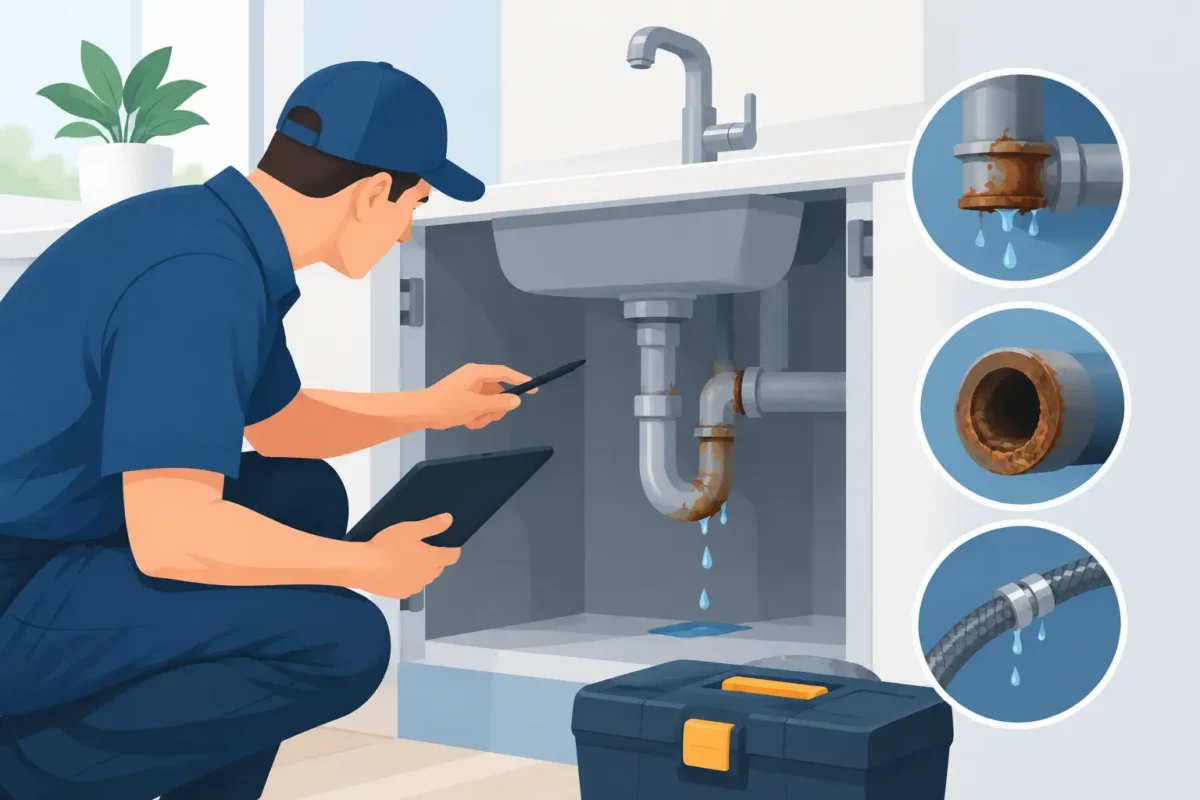
Active leaks are among the clearest concerns an inspector may find. They can occur below sinks, around toilets, at supply valves, near water heaters, or at visible pipe joints in basements and utility rooms. Even a small drip can lead to damaged finishes, mold-friendly conditions, wood deterioration, and higher water bills over time.

More challenging are leaks that are not visible at the time of the inspection. Staining, peeling paint, swollen trim, deteriorated flooring, or previous patchwork may point to a past or ongoing moisture issue. Infrared thermal imaging, included with every Infrared Home Inspections inspection, can sometimes reveal temperature patterns consistent with moisture behind a wall, ceiling, or cabinet. It is a valuable screening tool, not a substitute for invasive testing or a plumbing repair diagnosis. Moisture patterns must be considered alongside visual evidence, meter readings when appropriate, and the conditions present that day.

Aging, damaged, or incompatible piping

Pipe material matters because every system has a different expected lifespan and set of common concerns. Older homes may contain galvanized steel supply pipes, cast-iron drain lines, aging copper, polybutylene, or mixed materials from past repairs. A home can have a working plumbing system and still carry a higher likelihood of restricted flow, corrosion, hidden leakage, or future replacement costs.

Galvanized piping can corrode internally and reduce water pressure. Cast iron can rust and deteriorate from the inside out, particularly at joints and lower sections of drain piping. Improper transitions between dissimilar materials may also be a concern if fittings, supports, or connectors are unsuitable. These findings do not automatically mean the whole system requires replacement. The extent, accessibility, visible condition, age, and performance symptoms all matter. A qualified plumber can help define the appropriate repair scope when needed.

Drainage concerns and slow fixtures

A slow sink, tub, or shower drain can be a simple blockage. It can also point to poor venting, deteriorated drain piping, an improper slope, or a more significant obstruction farther down the line. During an inspection, fixtures are operated where practical, and the inspector watches for slow drainage, backups, leaks, unusual noises, and signs that one fixture affects another.

A drain that backs up when another fixture is used deserves more attention than a single slow bathroom sink. If multiple fixtures drain poorly or the home has a history of sewer odors, backups, recurring clogs, or mature trees near a buried line, a sewer camera inspection may be a wise next step. That additional service can provide a more direct view of the buried drain line, which is beyond the scope of a standard home inspection.

Water heater defects

Water heaters often receive limited attention during a showing, yet a failed unit can cause extensive water damage and leave a household without hot water. Common concerns include corrosion at the tank or fittings, leaking temperature and pressure relief valves, missing discharge piping, improper venting on fuel-fired units, inadequate clearance, and signs that the unit is nearing the end of its typical service life.

The temperature and pressure relief valve is especially important because it is a safety component. Its discharge pipe should terminate appropriately and safely, rather than creating a scalding or water-damage hazard. An inspector may also note whether a water heater is properly secured where local conditions require it, whether combustion venting appears acceptable, and whether visible installation details call for further review.

Age alone does not prove a water heater has failed. Still, an older unit is a budgeting issue worth recognizing before closing. If the home is otherwise a strong fit, a buyer may choose to request repair, seek a credit, negotiate price, or simply plan for replacement after possession.

Missing shutoff valves and fixture installation issues

A small shutoff valve can make a large difference during an emergency. Accessible valves at toilets, sinks, appliances, and the main water supply allow water to be isolated quickly if a supply line fails. Valves that are missing, corroded, inaccessible, or inoperable can turn a manageable leak into a larger event.

Inspectors also commonly identify loose toilets, failed caulking at tubs and showers, leaking faucets, unsupported piping, improperly installed flexible connectors, and missing protective plates where pipes pass through framing. Some of these repairs are modest. Others may indicate repeated shortcuts or deferred maintenance, which is valuable context when evaluating the property as a whole.

Why Plumbing Findings Matter in New Brunswick Homes

In Saint John, the Kennebecasis Valley, Fredericton, and surrounding communities, cold weather raises the stakes for plumbing protection. Pipes in poorly insulated exterior walls, crawl spaces, garages, or unheated areas can be more vulnerable to freezing. Evidence of past freezing, such as repaired pipe sections or water staining near exterior plumbing runs, should be discussed with the seller and assessed carefully.

Older housing stock may also have systems that have been updated in stages. A renovated kitchen or bathroom may have new fixtures connected to older supply or drain lines elsewhere in the home. A detailed report helps separate cosmetic improvement from the condition of the underlying systems.

How Buyers Should Respond to Plumbing Findings

The best response depends on the severity and certainty of the finding. An active leak, unsafe water heater installation, sewage backup concern, or suspected hidden moisture issue should be addressed promptly. A minor faucet drip or aged but functional fixture may be better handled as a planned maintenance item.

When a report recommends further evaluation, obtain it before the end of your inspection contingency whenever possible. Ask a licensed plumbing professional to identify the cause, repair options, urgency, and likely cost range. For buried drainage concerns, consider a camera scope. Written estimates give buyers and their real estate professionals stronger footing when discussing repairs or credits.

Avoid treating every report item as a reason to walk away. Inspection findings are decision-making tools, not a pass-fail grade. The questions that matter are whether the issue is safe, whether it can be repaired properly, what it may cost, and whether the overall purchase still makes sense for your budget and goals.

A Clear Report Supports Better Decisions

A useful plumbing section of an inspection report should explain what was observed, identify the location, include photos where helpful, and distinguish between a condition needing prompt attention and one to monitor or budget for. Clear language matters because buyers should not have to translate vague notes while facing a major financial decision.

Infrared Home Inspections combines a careful visual review with thermal imaging to help clients identify concerns that might otherwise be missed. The findings are then easier to discuss with your agent, the seller, and qualified repair professionals. A same-day digital report also gives you the information needed to move forward without unnecessary delay.

Before your final walkthrough, keep your inspection report available and confirm that any agreed plumbing repairs were completed by qualified professionals. A few informed questions before closing can protect your investment long after the keys change hands.

Categories Electrical

Electrical Safety Home Inspection for Buyers

Electrical Safety Home Inspection for Buyers

The electrical panel may be tucked into a basement corner, and the outlets may look perfectly ordinary. Yet electrical defects can be among the most consequential findings in a home purchase. An electrical safety home inspection helps identify visible conditions that may present shock, fire, reliability, or repair concerns before you take ownership.

For buyers, this is not about expecting a flawless house. It is about understanding what is present, what may need attention, and whether a qualified electrical contractor should assess or correct a concern before closing. A careful inspection gives you clearer information for negotiations, repair requests, budgeting, and peace of mind.

Why Electrical Safety Matters Before Closing

Electrical systems work quietly until something goes wrong. Loose connections can overheat inside a panel or outlet box. Aging wiring can become brittle. Improper alterations by previous owners can leave behind conditions that are not obvious during a walkthrough. A home may have enough working lights and receptacles to feel functional while still containing deficiencies that deserve further evaluation.

The age of the property matters, but it is not the whole story. Older homes may have systems that predate current safety practices, while newer homes can have rushed repairs, damaged components, or homeowner-installed additions. Renovations are especially worth reviewing. A finished basement, new bathroom, hot tub connection, garage workshop, or added heat pump can all place new demands on an electrical system.

A professional home inspection is visual and non-invasive. It does not replace a full electrical code inspection or the diagnostic work of a licensed electrician. However, it can identify reportable visible conditions and warning signs early enough to protect your investment and support an informed decision.

What an Electrical Safety Home Inspection Looks At

A thorough electrical review considers how the system is configured, whether visible components appear serviceable, and whether basic safety features are present where expected. The inspector evaluates accessible electrical components without dismantling walls, removing panel covers beyond the scope of the inspection, or performing repairs.

The Service Panel and Breakers

The service panel is the control center of the home’s electrical system. Inspectors look for accessible concerns such as missing panel cover screws, open knockouts, corrosion, signs of overheating, improper breaker labeling, double-tapped breakers where not permitted, and wiring that appears damaged or improperly installed.

Clear labeling matters more than many buyers realize. In an emergency, occupants need to know which breaker controls key areas of the home. Labels such as “lights” or “upstairs” may not provide enough clarity. A panel should also be accessible, with appropriate working clearance rather than blocked by storage, shelving, or finished construction.

Panel capacity is another issue that requires context. A smaller service may be adequate for a modest home with limited electrical loads, but it can become a concern when the home includes electric heating, a range, dryer, workshop equipment, a vehicle charger, or planned additions. An inspector can flag visible limitations, while an electrician can determine whether upgrades are necessary for your intended use.

Wiring, Connections, and Visible Defects

Where wiring is accessible in basements, attics, utility rooms, crawl spaces, and garages, an inspection may reveal unsupported cables, exposed splices, improper junction boxes, damaged insulation, or wiring that appears to have been altered without professional workmanship.

Aluminum branch-circuit wiring, knob-and-tube wiring, and other older wiring methods deserve careful attention when present. Their existence does not automatically mean the home is unsafe or that a sale should stop. The condition of the installation, past modifications, insurance requirements, and recommendations from a qualified electrician all matter. Buyers should avoid accepting broad assurances without documentation and a clear understanding of the system’s condition.

Outlets, Switches, and Safety Devices

Accessible outlets and switches are tested on a representative basis using appropriate tools. This can identify reversed polarity, open grounds, inoperative receptacles, and other visible or functional concerns. Loose outlets, cracked covers, missing cover plates, and receptacles located too close to water are also important observations.

Ground-fault circuit interrupter protection, commonly called GFCI protection, is designed to reduce shock risk in locations such as bathrooms, kitchens, garages, unfinished basements, exterior areas, and near laundry or utility sinks. A missing or non-functioning GFCI device does not always reveal the complete cause, but it is a condition that should be evaluated and corrected as appropriate.

Arc-fault circuit interrupter protection, or AFCI protection, is intended to help reduce risks associated with certain electrical arcing conditions. Requirements vary based on the age of the home, its renovations, and applicable standards. The practical point for buyers is straightforward: safety protection should be assessed in the context of the home, not assumed simply because a breaker panel looks modern.

How Thermal Imaging Can Add Useful Evidence

Thermal imaging can complement a visual electrical inspection by identifying temperature differences that may warrant closer attention. For example, an overloaded connection, loose termination, or active electrical component may produce a warmer-than-expected pattern under the right operating conditions.

That does not mean every warm area is a defect. Electrical equipment naturally generates some heat, and infrared results depend on factors such as electrical load, access, environmental conditions, and the moment the image is captured. Thermal imaging is an additional investigative tool, not an X-ray of every wire behind the walls.

At Infrared Home Inspections, complimentary thermal imaging is used as part of a more complete assessment. When a thermal anomaly is observed, it can help document why a further evaluation recommendation is being made. When no anomaly appears, it should not be read as a guarantee that concealed wiring is free of defects. Clear reporting includes both the finding and the limitation.

Electrical Findings That Should Not Be Dismissed

Some electrical concerns are primarily maintenance or upgrade items. Others can carry more immediate safety implications. Buyers should take prompt action when an inspection identifies evidence of overheating, damaged service equipment, exposed energized components, water intrusion around electrical equipment, improper wiring connections, or repeated tripping of breakers.

A breaker that trips is doing a job. Repeated tripping can indicate an overloaded circuit, a faulty appliance, a wiring issue, or another condition that needs diagnosis. Resetting it repeatedly without finding the cause is not a repair strategy.

Similarly, flickering lights are not always harmless. A single flickering bulb may be a simple bulb or fixture issue. Widespread flickering, dimming when large appliances start, buzzing from the panel, burning odors, or warm outlets call for a more urgent professional assessment. These are not items to postpone until after move-in.

Turning Findings Into a Smart Buying Decision

The most useful inspection report does more than list defects. It explains what was observed, where it was found, why it matters, and what type of follow-up is appropriate. That allows buyers and their real estate agents to distinguish between a small correction, a budgeting item, and a concern requiring prompt electrician review.

If electrical deficiencies are identified, ask for estimates from a qualified electrician when timing permits. This helps turn a vague concern into practical information. You may decide to request repairs, negotiate a price adjustment, plan work after closing, or reconsider the purchase if the scope is larger than expected.

Keep the home’s future use in mind. A family planning an electric vehicle charger, a finished basement office, additional heating equipment, or a serious hobby workshop may need more electrical capacity than the current occupants. The right question is not only, “Does it work today?” It is also, “Will this system safely support how we plan to live here?”

What a Home Inspection Cannot Confirm

No visual inspection can see every conductor inside walls or predict every future failure. Furniture, stored belongings, locked rooms, inaccessible attics, snow-covered exterior areas, and inactive systems can limit what is observed. Inspectors also do not redesign electrical systems, certify code compliance, or perform invasive testing.

Those limits are not a reason to skip the inspection. They are a reason to use the report correctly. A diligent electrical safety review identifies accessible concerns and directs you toward qualified further evaluation when conditions warrant it. That is valuable protection before a high-stakes purchase.

Before removing conditions or finalizing your purchase, make time to review the electrical findings with your inspector and ask direct questions. A clear explanation of what was found, what remains uncertain, and what should happen next can help you move forward with confidence rather than assumptions.

Categories Electrical

Thermal Imaging Inspection for Home Buyers

Thermal Imaging Inspection for Home Buyers

A thermal imaging inspection can reveal patterns a standard visual review cannot see: a cold area behind a finished wall, unusual heat at an electrical component, or moisture affecting materials before staining becomes obvious. For a home buyer, those findings can turn a vague concern into a focused question before conditions are removed and closing day arrives.

Buying a home involves more than judging what is visible during a showing. Fresh paint, finished basements, stored belongings, and seasonal conditions can conceal signs of deferred maintenance. Infrared technology adds another layer of information to a thorough home inspection, helping identify areas that deserve closer evaluation while there is still time to make an educated decision.

What a Thermal Imaging Inspection Shows

Thermal imaging uses an infrared camera to display surface temperature differences. The camera does not see through walls, and it does not identify a defect by itself. Instead, it shows heat patterns that may point to conditions requiring further investigation.

For example, a cooler section of ceiling may be consistent with missing insulation, air leakage, or moisture. A warmer-than-expected electrical connection may indicate excessive resistance or an overloaded component. A temperature pattern around a plumbing fixture may suggest an active leak or moisture condition. The inspector combines the image with visual observations, moisture readings when appropriate, knowledge of building systems, and the conditions present at the home.

That distinction matters. A responsible inspection report should not treat every temperature difference as proof of a major problem. Sun exposure, occupied rooms, heating equipment, appliances, and recent weather can all affect readings. The value of infrared imaging is in finding anomalies that a trained inspector can assess in context.

Why Thermal Imaging Matters Before Closing

A buyer may have only one opportunity to inspect the property before taking ownership. Once the transaction is complete, repair costs, contractor coordination, and unexpected disruption become the new owner’s responsibility. A thermal imaging inspection helps reduce that uncertainty by looking beyond the obvious.

It can be especially useful in homes with finished basements, newly renovated areas, inaccessible cavities, or limited visual evidence of a concern. It may identify a missing insulation area in an attic wall, uneven heat loss around windows, a possible roof or plumbing moisture issue, or an electrical hot spot that warrants qualified repair.

These findings are not automatically deal-breakers. Often, they provide useful negotiation leverage, help a buyer request documentation or repairs, or allow the buyer to budget realistically for work after closing. Just as importantly, they can help prioritize safety-related concerns. An electrical anomaly or evidence of active moisture deserves timely attention, even if the rest of the home appears well maintained.

The difference between a visual-only inspection and infrared support

A visual inspection remains essential. Roof coverings, foundations, plumbing fixtures, electrical panels, heating equipment, attic conditions, doors, windows, decks, and many other components need careful hands-on and visual evaluation. Thermal imaging supports that work. It gives the inspector another way to identify areas that may not be apparent under normal lighting.

Consider a ceiling with no visible stain. If its temperature pattern differs noticeably from surrounding materials, the inspector may inspect the attic above, use a moisture meter, ask about recent weather, or recommend further evaluation. Without the infrared image, that same area may not receive additional attention because there is no visible reason to suspect it.

Common Issues Infrared Cameras May Help Identify

Infrared imaging is useful because homes are systems. Water, heat, air movement, and electricity often leave temperature signatures before their effects become clearly visible. During an inspection, an infrared camera may help identify the following types of conditions:

  • Potential moisture intrusion at roofs, windows, exterior walls, plumbing fixtures, or below-grade spaces
  • Insulation deficiencies, thermal bridging, or air leakage affecting comfort and energy performance
  • Uneven heating or cooling distribution near ducts, registers, and building envelope components
  • Elevated temperatures at electrical breakers, conductors, outlets, or connections
  • Possible concealed plumbing leaks or temperature irregularities around supply and drain areas

Each finding depends on the home and the day of the inspection. A camera may not detect a leak that is dry at the time of the appointment. It may not provide meaningful insulation information if indoor and outdoor temperatures are too similar. Electrical components must also be energized and carrying an adequate load for some heat-related concerns to be visible.

This is why inspection experience matters as much as the camera. The equipment identifies a pattern. The inspector’s training and trade-level understanding help determine whether that pattern is normal, worth monitoring, or in need of repair or additional evaluation.

What Thermal Imaging Cannot Do

Home buyers deserve clear expectations. Infrared imaging is a valuable inspection tool, but it is not X-ray vision and it cannot guarantee that every hidden defect will be found.

The camera reads surface temperatures, not conditions inside a wall. It cannot confirm mold, determine the exact source of every moisture pattern, measure structural strength, or replace a specialized evaluation when one is needed. A cooler wall area, for instance, could result from insulation gaps, air leakage, moisture, or a difference in framing. The report should explain what was observed and recommend the right next step when confirmation is outside the scope of a home inspection.

Weather can also affect results. Strong sunlight may warm one exterior wall more than another. Recent rain can change surface temperatures. A vacant home with no heating system operating may offer fewer useful temperature contrasts. These limitations do not make infrared imaging less worthwhile. They simply reinforce why it should be used thoughtfully, as part of a complete inspection rather than as a stand-alone service.

How Infrared Findings Help You Make Better Decisions

The strongest inspection reports do more than list defects. They help you understand what deserves immediate attention, what may require a contractor’s opinion, and what can be planned for over time.

If a thermal image supports evidence of moisture at a finished basement wall, you may decide to request further investigation before removing inspection conditions. If it identifies heat loss around several windows, you can consider the likely cost and timing of improvements. If it shows an electrical concern, you have a clear reason to involve a qualified electrician before assuming the issue is minor.

This information also helps separate cosmetic imperfections from conditions with broader consequences. Peeling paint is visible. Moisture behind the wall where that paint is located may be the more important issue. A room that feels chilly may seem like a comfort preference until infrared observations point to missing insulation or significant air leakage.

For first-time buyers, this level of clarity can reduce the pressure to make decisions based only on appearance or reassurance from others. For experienced buyers, it provides a more complete picture of the property’s condition and helps support a practical negotiation strategy.

Thermal Imaging Included With a Complete Home Inspection

At Infrared Home Inspections, thermal imaging is included with every home inspection at no additional charge. It is used alongside a comprehensive review of the home’s major accessible systems and components, not as a quick add-on or a substitute for careful inspection work.

That approach is particularly valuable in New Brunswick homes, where heating demands, changing seasons, basement moisture, attic ventilation, and older electrical or plumbing updates can all influence a property’s condition. A diligent inspection considers the age and construction of the home, what is accessible on the day, and the practical impact of the findings on your safety, investment, and next steps.

You should also expect explanations in plain language. Technical findings matter, but so does knowing what they mean for your purchase. A same-day digital report with clear photos and observations can help you review concerns with your agent, seller, contractor, or legal representative without relying on memory after a long inspection appointment.

Questions to Ask When an Infrared Concern Is Found

When an inspector identifies an infrared anomaly, ask what other evidence supports the observation. Was moisture detected? Is the area accessible from an attic, crawl space, or utility room? Could weather, sun exposure, or current system operation affect the reading? Does the condition need immediate repair, further evaluation, or monitoring?

These questions keep the conversation focused on risk and next steps rather than assumptions. The best outcome is not necessarily a defect-free report. It is a clear understanding of the home you are considering, including where additional information or repair is warranted.

Before you waive inspection conditions or finalize a purchase, give hidden concerns the same attention you give visible ones. A careful thermal imaging inspection can provide the clarity needed to move forward with confidence, negotiate from knowledge, and protect one of the largest investments you will make.

Categories Electrical

Home Inspection Negotiation Leverage That Works

Home Inspection Negotiation Leverage That Works

A home can look move-in ready during a showing and still have a leaking plumbing connection, unsafe electrical condition, moisture behind a finished wall, or an aging roof near the end of its service life. That is where home inspection negotiation leverage begins. A thorough inspection gives you documented facts about the property so you can make decisions based on condition, safety, and likely repair costs rather than pressure, assumptions, or the seller’s presentation.

For buyers in Saint John, the Kennebecasis Valley, Fredericton, and surrounding New Brunswick communities, the goal is not to turn every minor issue into a dispute. Homes have wear. Even well-maintained properties can have a few defects. The goal is to identify material concerns, understand what they mean, and negotiate in a way that protects your investment before conditions are removed.

What Creates Home Inspection Negotiation Leverage?

Leverage comes from clear, credible information. A seller may not agree with every request, but a detailed report makes it much harder to dismiss a significant issue as a buyer’s opinion or an agent’s negotiating tactic.

The strongest findings are usually defects involving safety, water intrusion, structural performance, major systems, or repairs likely to be expensive. Examples include active roof leaks, foundation movement, defective electrical panels or wiring, inadequate attic ventilation, failing heating equipment, drainage problems, and plumbing leaks. These items can affect both the cost of ownership and your ability to insure, finance, or safely occupy the home.

A quality inspection report should explain the observed condition, identify its location, include clear photos, and state the practical concern. It should not simply say that something is “old.” Age alone is not necessarily a defect. An older furnace that is operating safely may warrant future budgeting, while a furnace with unsafe venting or evidence of active failure requires a more immediate conversation.

Thermal imaging can add useful context when it supports visual findings. Infrared technology may reveal temperature differences associated with moisture, missing insulation, air leakage, or overheating electrical components. It does not see through walls or diagnose every hidden issue on its own. Used alongside a complete visual inspection and appropriate moisture verification, however, it can help identify concerns that deserve further evaluation before closing.

Focus on Material Defects, Not a Perfect House

A negotiation can lose momentum when a buyer submits a long list of cosmetic concerns, routine maintenance tasks, and minor imperfections alongside serious defects. Sellers often become defensive, and the issues that genuinely matter can get buried.

A more effective approach is to separate findings into three practical groups: immediate safety or water concerns, significant repairs or replacement risks, and routine maintenance items. Your inspector can help explain which conditions should be addressed promptly and which are normal ownership responsibilities to plan for after possession.

For example, a loose outlet cover, missing caulk around a tub, and a sticking interior door may all be worth correcting eventually. They generally do not carry the same weight as an active leak beneath a bathroom, aluminum branch-circuit wiring, a compromised deck guard, or moisture staining that suggests a continuing roof issue. Prioritizing protects your credibility and keeps the negotiation centered on meaningful risk.

Ask What the Finding Means in Real Terms

Technical language can sound alarming without context. Before requesting a concession, ask direct questions: Is the condition active? Is it a safety concern? Could it cause further damage if left uncorrected? Does it need a qualified contractor’s evaluation? Is the repair likely straightforward, or could it uncover additional work?

The answer may change your strategy. A visible plumbing leak may be relatively simple to repair, but long-term leakage inside a wall or below a fixture can lead to damaged materials, mold-like growth, or concealed deterioration. A roof at the end of its expected life may not require an immediate replacement if it remains weather-tight, but active water entry is a different matter.

Choose the Right Negotiation Request

There is no single best response to inspection findings. The right request depends on the property, the local market, the seller’s circumstances, your financing, and how much uncertainty remains. Most inspection negotiations fall into three categories: a price reduction, a closing credit where permitted, or seller-completed repairs.

A price reduction can work well when you prefer to control the work after closing. You can choose the contractor, set the repair standard, and schedule the project on your terms. The trade-off is that the reduction may not help if you need cash for repairs immediately after closing, and the savings are spread across the mortgage rather than delivered as repair funds.

A closing credit may better support near-term expenses, subject to lender rules and the structure of your purchase agreement. Speak with your lender before relying on this option. Credits can have limits, and they may not be available for every transaction.

Seller repairs can make sense for a discrete issue, such as correcting an unsafe electrical defect or repairing an active plumbing leak. They can be less appealing when the work is extensive or requires decisions about materials, contractors, and workmanship. A seller motivated to close may choose the fastest, least expensive solution. If repairs are negotiated, the agreement should be specific about the scope of work, qualified tradespeople where appropriate, permits if required, invoices or receipts, and your right to verify completion before closing.

Build a Request That Is Clear and Defensible

Your inspection report is evidence, not a repair quote. For larger or uncertain concerns, obtain estimates from qualified contractors during the inspection condition period if time allows. A roofing contractor, electrician, plumber, heating specialist, or foundation professional can define the scope and provide cost information that supports a realistic request.

Avoid presenting inflated numbers or demanding compensation for every future maintenance expense. Sellers are more likely to engage when your request is tied to documented defects and reasonable next steps. A calm, focused request might identify the concern, reference the report, explain the risk, and state the remedy you are seeking.

For instance, instead of saying, “The electrical system is unacceptable,” identify the observed condition: “The inspection found open junction boxes and wiring concerns at the panel that require correction by a licensed electrician.” This is more precise, easier for both parties to evaluate, and less likely to create unnecessary conflict.

Keep the Inspection Period Working for You

Time matters. Review the report promptly with your inspector and real estate agent, then identify which findings need follow-up. Waiting until the final day of an inspection condition can limit your ability to obtain estimates or arrange specialist visits.

At Infrared Home Inspections, clients receive a same-day digital report and have the opportunity to discuss findings directly. That conversation is valuable because photos and recommendations are easier to use when you understand the condition behind them. An inspector can clarify what was observed, what was outside the scope of the inspection, and when specialist evaluation is appropriate. Your real estate agent can then advise on how those findings fit the purchase contract and local market conditions.

Know When to Negotiate, Accept, or Walk Away

A successful inspection does not always result in a credit or repair. Sometimes the seller has priced the home with known deficiencies in mind. Sometimes multiple buyers are competing, leaving less room for concessions. Sometimes the findings are manageable and the home remains a sound purchase at the agreed price.

The more important question is whether you can accept the property’s condition with open eyes. Consider the likely cost, urgency, disruption, and uncertainty of each major issue. Also consider your available cash after closing. A home that needs $20,000 of work may still be a good purchase if the price, location, and your budget support it. The same home may be the wrong fit if it stretches your finances before you have even moved in.

Walking away can be the right decision when the inspection reveals a risk you cannot comfortably manage, especially if further evaluation points to substantial structural, moisture, electrical, or environmental concerns. A professional inspection is not meant to scare you out of buying a home. It is meant to prevent you from buying without knowing what you are taking on.

Protect Your Position Without Creating Friction

Negotiation is easier when buyers remain factual and reasonable. Let the report do the work. Avoid personal judgments about the seller or assumptions about why maintenance was deferred. Focus on the condition of the property and the practical path forward.

You should also expect some give and take. A seller may agree to address the most urgent issue but decline cosmetic requests. They may offer a partial credit rather than complete a repair. That does not automatically make the deal unfair. What matters is whether the final agreement reflects the property’s actual condition and leaves you with a purchase you can afford to maintain.

Before you remove your inspection condition, make sure you understand the material findings, any agreed repairs or credits, and the costs you may inherit after closing. Clear information gives you more than a negotiating tool – it gives you the confidence to move forward, renegotiate, or step away with your investment protected.

Categories Electrical

What a Same Day Home Inspection Report Should Include

What a Same Day Home Inspection Report Should Include

A home purchase can move quickly, especially when an offer is conditional on inspection. A same day home inspection report gives you the information you need while the property, your questions, and the next steps are still fresh. More than a fast document, it should be a clear, evidence-based assessment that helps you decide whether to proceed, negotiate, budget for repairs, or seek further evaluation.

For buyers in Saint John, the Kennebecasis Valley, Fredericton, and surrounding New Brunswick communities, timing matters. So does accuracy. A report delivered promptly should never mean a rushed inspection or a vague checklist. It should reflect a careful review of accessible major systems, supported by clear photographs, practical explanations, and direct communication with your inspector.

Why a Same Day Home Inspection Report Matters

Your inspection condition usually comes with a deadline. If the report arrives days later, you may lose valuable time to review findings, obtain contractor estimates, discuss concerns with your real estate agent, or request additional information from the seller.

A same-day report keeps the transaction moving without asking you to make decisions based on memory alone. It gives you a written record of what was observed at the property and identifies conditions that may affect safety, performance, maintenance costs, or future repairs.

Fast reporting is particularly valuable when the home has visible age-related wear or when an issue needs prompt follow-up. A furnace nearing the end of its service life, evidence of moisture in an attic, a questionable electrical condition, or signs of foundation movement may not end a purchase. But each deserves context before you remove your inspection condition.

The goal is not to turn a report into a list of reasons to walk away. Every home has imperfections. The goal is to separate routine maintenance from material concerns and give you the clarity to make an educated decision.

What a Quality Same Day Home Inspection Report Looks Like

A useful report is organized, easy to read on a phone or computer, and specific enough to support action. You should not have to decode technical language or search through a generic checklist to understand what matters.

Clear descriptions of observed conditions

Each reported concern should explain what was observed, where it was found, and why it may matter. “Water staining visible on attic sheathing” is more helpful than simply stating “roof issue.” The report should also distinguish between an active concern, a past repair, a maintenance item, and a component that could not be fully evaluated.

Good wording helps you communicate clearly with your agent, seller, contractor, or specialist. It also prevents small concerns from being overstated and serious concerns from being buried in technical language.

Photos that show the issue

Photographs are not decoration. They provide context. A photo can show the location of a crack, the condition of an electrical panel, damaged flashing near a roof penetration, or moisture staining beneath a bathroom fixture.

When a report includes photos alongside explanations, you are better prepared to discuss priorities with confidence. This is especially helpful if you cannot attend every part of the inspection or need to share findings with a family member helping with the purchase decision.

Practical recommendations and priorities

A report should identify the appropriate next step when one is needed. That may mean monitoring a minor maintenance item, scheduling a repair, requesting a qualified specialist’s evaluation, or addressing a safety concern before closing.

Not every item requires immediate action. Homes need ongoing care, and older homes often have features that do not meet current building standards but may have been common when constructed. A diligent inspector explains the condition observed without creating unnecessary alarm or promising that a component will fail on a specific date.

A complete view of accessible major systems

The report should reflect an inspection of accessible components, including the exterior, roof, structure, foundation, attic, insulation, plumbing, electrical, heating and cooling systems, interior rooms, kitchens, bathrooms, windows, doors, fireplaces, decks, and other relevant features.

The exact scope depends on the property and what is safely accessible on inspection day. Heavy snow, stored belongings, locked spaces, unsafe roof conditions, or concealed finishes can limit what can be seen. A trustworthy report documents these limitations clearly so you understand what was and was not evaluated.

Thermal Imaging Adds Another Layer of Information

Some costly concerns begin out of sight. Moisture can be present behind a finished wall, insulation may be missing or disturbed in an attic, and an electrical connection can generate unusual heat before visible damage appears.

Infrared thermal imaging can help identify temperature differences that deserve closer attention. During an inspection, these patterns may point to possible moisture intrusion, air leakage, insulation irregularities, or overheating electrical components. At Infrared Home Inspections, thermal imaging is included with every inspection because visual observations alone do not always tell the complete story.

Thermal imaging is a valuable screening tool, not X-ray vision. A thermal image shows surface temperature variation, not a diagnosis of what is behind a wall or ceiling. An experienced inspector interprets the image alongside visual evidence, moisture testing when appropriate, building conditions, and the operation of the home’s systems. That careful interpretation is what turns technology into useful guidance.

Fast Delivery Should Not Mean Less Thoroughness

There is a meaningful difference between completing a report promptly and completing it carelessly. A same-day delivery process works best when the inspector records detailed observations, photographs, and notes during the inspection, then organizes them into a polished digital report shortly afterward.

A thorough inspection takes time on site. The inspector needs to operate representative fixtures, look for accessible signs of leakage, review electrical components where safe, assess visible structural conditions, inspect attic and crawl space areas when accessible, and observe heating and cooling equipment in appropriate conditions. Rushing through those steps simply to advertise a faster report does not protect the buyer.

Ask how the inspection findings will be reviewed with you. The digital report is essential, but a conversation is equally valuable. You should be able to ask which findings are most urgent, which items are typical maintenance, and where further investigation is advisable. Direct access to your inspector can make a complicated report far easier to use.

How Buyers Can Use the Report Before Their Deadline

Once you receive the report, start with the items identified as safety concerns, active moisture issues, major system deficiencies, or conditions requiring specialist review. Then consider the home’s age, asking price, visible maintenance history, and your own budget for improvements.

A report is not a repair quote, and it should not be used as one. If a major concern is found, a qualified contractor may need to determine the full scope and cost. For example, an inspector may identify evidence of water intrusion around a window, while a building envelope professional or contractor determines whether the repair involves flashing, siding, framing, or interior finishes.

Your real estate agent can help you decide how to present inspection-related requests, but the decision remains yours. Some buyers negotiate a price adjustment, request a repair, seek a credit, or proceed with full knowledge of the condition. Others choose not to move forward when the risks or likely costs do not fit their plans.

The report also becomes a practical homeownership reference after closing. Keep it available. It can help you plan seasonal maintenance, prioritize upgrades, and remember the location of shutoffs, panels, equipment, and observed conditions noted during the inspection.

Questions to Ask About Report Delivery

Before booking, ask whether the report will be delivered on the same day, whether it includes annotated photos, and whether you can speak directly with the inspector after reviewing it. It is also reasonable to ask about the inspector’s training, insurance coverage, experience with electrical and building systems, and the use of thermal imaging.

For a property transaction, the most useful inspection service combines responsive scheduling with careful fieldwork and clear reporting. Weekend availability can also make a difference when your inspection window is tight and you want to attend.

A home inspection cannot predict every future repair or reveal conditions hidden behind walls and beneath finished surfaces. It can, however, provide a disciplined snapshot of the home’s accessible condition on inspection day. When that snapshot is delivered promptly and explained clearly, you can move forward with less uncertainty and stronger protection for your investment.

Before you waive an inspection condition, take the time to read the findings, ask the questions that matter, and make your decision with the full picture in front of you.

Categories Electrical

What Do Home Inspectors Look For in a House?

What Do Home Inspectors Look For in a House?

A home can look move-in ready during a showing and still have concerns behind finished walls, beneath insulation, or inside critical systems. So, what do home inspectors look for? They look for visible defects, safety hazards, signs of water intrusion, aging components, and conditions that could lead to expensive repairs after closing.

A professional inspection is not a pass-or-fail test, and it does not predict every future repair. It is a detailed, noninvasive assessment of the home’s condition on the day of the inspection. For buyers, that information can replace assumptions with facts before one of the largest financial decisions they will make.

What Do Home Inspectors Look For During an Inspection?

A thorough home inspector evaluates the accessible major components and systems of a property. The goal is to identify material defects, explain why they matter, and document findings clearly enough for buyers and their real estate professionals to act on them.

The scope will vary based on the property, weather, accessibility, and the inspection standards that apply. A roof covered by snow, a locked crawl space, or a panel blocked by stored belongings cannot be fully evaluated. Those limitations should be clearly stated in the report so there are no surprises about what was and was not inspected.

The roof, exterior, and drainage

The outside of a house is its first defense against water. Inspectors look at roof coverings, flashing, gutters, downspouts, siding, trim, windows, doors, decks, grading, and drainage around the foundation.

Missing or damaged shingles, deteriorated flashing, soft roof areas, loose siding, failed caulking, and improper drainage can all allow water into the home. In New Brunswick, repeated freeze-thaw cycles and heavy seasonal weather can accelerate wear. A small exterior maintenance issue can become a larger moisture, mold, or structural concern if it is ignored.

Inspectors also look for grading that slopes toward the house, downspouts that discharge too close to the foundation, and deck components that are loose, decayed, or improperly supported. These may not be cosmetic details. They can affect water management and safety.

The foundation, structure, and moisture clues

Foundation cracks are common, but not all cracks mean the same thing. An inspector considers their size, location, direction, and whether there are related signs of movement, such as uneven floors, sticking doors, separated trim, or cracks in interior finishes.

The inspection also includes accessible basements, crawl spaces, framing, floors, walls, and ceilings. Inspectors watch for moisture staining, active leaks, wood deterioration, inadequate support, pest damage, and signs that a previous repair may need further evaluation.

Thermal imaging can add another layer of information here. At Infrared Home Inspections, complimentary thermal imaging is used to help identify temperature differences that may point to moisture, missing insulation, air leakage, or electrical overheating. An infrared image is not a diagnosis by itself. It helps direct attention to areas that may need closer review, moisture confirmation, repair, or specialist assessment.

Electrical Safety Is a Major Focus

Electrical issues can be hidden in plain sight, especially in older homes that have been updated over several decades. A trained inspector reviews the accessible service equipment, electrical panel, visible wiring, outlets, switches, fixtures, grounding, and safety devices.

Common concerns include double-tapped breakers, incorrect breaker sizing, open junction boxes, exposed wiring, outdated panel components, missing covers, and improper wiring methods. Inspectors also test representative receptacles and look for ground-fault circuit interrupter protection where it is commonly expected, such as bathrooms, kitchens, garages, exterior areas, and unfinished spaces.

Not every electrical issue requires a major rewire. Some are straightforward repairs, while others may warrant review by a licensed electrician. The value of identifying them before closing is knowing what needs attention and avoiding the assumption that an outlet or panel is safe simply because the lights turn on.

Plumbing and water-related concerns

Inspectors examine accessible supply lines, drain pipes, fixtures, visible shutoff valves, water heaters, sump systems, and signs of leakage. They operate faucets and flush toilets where practical to observe flow, drainage, leaks, and fixture condition.

They may find a dripping trap under a sink, corroded piping, slow drainage, loose toilets, poor water pressure, or a water heater nearing the end of its expected service life. Water heaters are reviewed for visible leakage, venting where applicable, temperature-pressure relief components, and installation concerns.

A home inspection does not usually include a sewer scope or a full water-quality test unless those services are arranged separately. Those added evaluations can be worthwhile for certain properties, particularly older homes, homes with known drainage concerns, or properties served by private wells or septic systems.

Heating, cooling, and ventilation

Comfort systems are expensive to replace, which makes their condition especially relevant during a purchase. Inspectors operate heating and cooling equipment using normal controls when conditions permit, then assess accessible components for visible defects, poor installation, unusual operation, and deferred maintenance.

The inspection may identify aging equipment, damaged ductwork, dirty filters, inadequate clearances, missing insulation on ducts, or combustion-related concerns. A system that runs briefly during an inspection is not guaranteed to perform perfectly through every season. Still, visible deficiencies and performance concerns provide useful grounds for further review or repair planning.

Ventilation matters as well. Bathroom fans, kitchen exhaust, attic ventilation, dryer vents, and combustion venting all affect moisture control, indoor air conditions, and safety. Improperly vented bathroom fans, for example, can deposit warm humid air into an attic, where it may contribute to condensation and mold-like growth.

Attics, Insulation, Windows, and Interior Surfaces

Attics often tell a revealing story about a house. Inspectors look for roof leaks, staining, inadequate insulation, open penetrations, damaged framing, poor ventilation, and signs of moisture. They also watch for unsafe or improperly installed wiring in accessible attic spaces.

Inside the home, inspectors assess representative doors, windows, walls, ceilings, floors, stairs, railings, cabinets, and built-in appliances. They are not judging paint colors or minor wear from normal use. They are looking for conditions that affect function, safety, or the likelihood of hidden damage.

Windows that do not open, doors that do not latch, damaged stair railings, cracked glazing, and evidence of recurring water staining should be documented. Small findings still matter because they help buyers understand the real maintenance workload after possession.

Kitchens, bathrooms, fireplaces, and appliances

Kitchens and bathrooms contain many of the home’s most frequently used fixtures, water connections, and electrical outlets. Inspectors check accessible cabinets, counters, sinks, faucets, drains, toilets, tubs, showers, ventilation, and representative appliances.

For fireplaces and solid-fuel appliances, the inspector evaluates accessible visible components and basic safety conditions. A standard home inspection is not a full chimney sweep, code certification, or internal flue examination. If there are visible concerns or the system has not been professionally serviced, a qualified fireplace or chimney specialist may be recommended.

What an Inspection Report Should Give You

A useful report does more than list defects. It organizes findings by location and severity, includes clear photos, explains the practical concern, and recommends an appropriate next step. Buyers should be able to distinguish between immediate safety issues, significant repairs, maintenance items, and conditions to monitor.

Same-day digital reporting is particularly helpful when an inspection contingency or negotiation timeline is tight. Just as important is the chance to ask questions. A good inspector should be willing to review the findings with buyers and agents in plain language, without minimizing legitimate concerns or turning ordinary maintenance into unnecessary alarm.

The inspection report can support repair requests, price discussions, specialist evaluations, and future budgeting. It should not be used as a reason to expect a resale home to be perfect. Every home has maintenance needs. The key question is whether you understand the condition of the home well enough to proceed confidently and plan responsibly.

Before you remove an inspection condition, take time to read the full report, not just the summary. Ask about any safety item, active moisture concern, structural indication, or system that may be near the end of its service life. Clear answers before closing can protect your investment long after the moving boxes are unpacked.

Categories Electrical

Infrared Thermal Imaging Home Inspection Explained

Infrared Thermal Imaging Home Inspection Explained

A freshly painted ceiling can look flawless at a showing, even when a slow roof leak has been wetting the insulation above it. An infrared thermal imaging home inspection adds another layer of protection by helping identify temperature differences that may point to hidden concerns behind finished surfaces, under floors, or within electrical components.

For buyers in Saint John, the Kennebecasis Valley, Fredericton, and surrounding New Brunswick communities, that added information can matter greatly. A home purchase is not the time to rely on appearances alone. Thermal imaging does not replace a detailed visual inspection, but when used by a trained inspector, it can help turn an otherwise invisible issue into a clear question that deserves further evaluation before closing.

What Thermal Imaging Actually Shows

An infrared camera does not see through walls or identify a defect simply by taking a picture. It detects surface temperatures and displays them as a pattern of colors or shades. A colder area may appear dark or blue, while a warmer area may appear yellow, orange, or red, depending on the camera settings.

Those temperature patterns can be meaningful. For example, an unusually cool area on an interior ceiling may be consistent with moisture evaporation, missing insulation, or air leakage. A warm electrical connection may suggest resistance or an overloaded component. The image is a clue, not a final diagnosis.

That distinction protects you from two common mistakes: assuming every color variation is a problem, or dismissing a suspicious pattern because no stain or damage is visible. A qualified inspector considers the image alongside construction type, weather conditions, accessible components, moisture readings when appropriate, and visible evidence. The goal is an honest assessment of what the condition may mean and what next step is reasonable.

Infrared Thermal Imaging Home Inspection: What It Can Reveal

Thermal imaging is especially valuable because many costly home issues begin out of sight. During a residential inspection, it may help identify conditions that warrant closer review in several major areas.

Moisture Intrusion and Roof Leaks

Water does not always leave an obvious stain right away. A small roof leak, plumbing leak, or exterior wall intrusion can wet building materials long before paint bubbles or drywall softens. Because evaporation can cool a surface, an infrared camera may reveal an area that differs from the surrounding material.

This is particularly helpful around roof penetrations, bathroom ceilings, windows, exterior doors, basements, and plumbing fixtures. A thermal anomaly alone cannot confirm a leak. However, it gives the inspector a reason to investigate the location more closely and document the concern for the buyer.

Insulation Gaps and Air Leakage

New Brunswick winters put homes under real pressure. Inadequate attic insulation, gaps around recessed lights, poorly sealed windows, and air leakage at exterior walls can contribute to cold rooms, drafts, condensation, and higher heating costs.

Thermal imaging can help reveal uneven insulation coverage or areas where conditioned air may be escaping. This does not mean every cooler wall section requires a major repair. Differences may result from framing, exterior temperatures, sunlight, or normal building design. Still, when a pattern is significant and consistent with other observations, it can point to improvements worth pricing before or after purchase.

Electrical Concerns

Electrical problems can be difficult to assess visually when panels, wiring, and connections are enclosed. Under the right load conditions, thermal imaging may identify unusually warm breakers, connections, outlets, switches, or service equipment.

Heat can be associated with loose connections, overloaded circuits, deteriorated components, or other conditions requiring attention. A thermal scan is not a substitute for an electrical evaluation by a licensed electrician when a concern is found. It is a practical screening tool that can help identify where further investigation is needed – before a minor issue becomes a safety concern.

Plumbing and Heating Issues

A thermal camera can sometimes assist in tracing active plumbing lines, locating suspected moisture near fixtures, or identifying uneven heat distribution from radiators, baseboard units, or forced-air systems. It can also provide useful context when a floor feels unusually cold or a room does not heat consistently.

Results depend on the system, its operating condition, and the temperature difference between the component and nearby materials. If the heating system has not been running, a camera cannot create information that is not present. This is why a careful inspection involves operating accessible systems where conditions allow and explaining any limitations in the report.

Why Conditions Matter During a Thermal Scan

Thermal imaging works best when there is a meaningful temperature difference, known as a thermal gradient, between indoors and outdoors or between a component and its surroundings. On a cold day, missing insulation or air leakage may be easier to identify from inside the home. On a warm, sunny day, exterior surfaces can retain heat and create patterns that need careful interpretation.

Rain, wind, recent heating cycles, furniture against walls, rugs, closed blinds, and direct sunlight can all affect what the camera sees. That is not a reason to avoid thermal imaging. It is a reason to use it correctly.

A diligent inspector documents visible conditions, understands the limits of the technology, and does not overstate a finding. If a suspicious temperature pattern appears, the report should explain the location, why it may matter, and whether monitoring, repair, moisture testing, or specialist review is recommended.

How Thermal Findings Help Home Buyers Make Better Decisions

A thermal image is most useful when it leads to a clear decision. If moisture is suspected near a bathroom, you may ask for further investigation or request repairs before closing. If the attic shows inconsistent insulation, you can factor an upgrade into your budget. If electrical equipment shows unusual heat, you can seek evaluation by a qualified electrician and better understand the potential safety implications.

Not every finding should end a transaction. Homes of every age have maintenance needs, and many conditions are manageable. What matters is knowing about them early enough to make an educated decision rather than discovering them after possession.

For first-time buyers, that clarity can reduce the stress of interpreting an unfamiliar home. For experienced buyers and real estate professionals, detailed findings can support more focused negotiations and realistic repair planning. The value is not in alarming language or dramatic images. It is in evidence that helps you ask the right questions.

Thermal Imaging Is Strongest as Part of a Complete Inspection

A camera cannot inspect what is inaccessible, verify the remaining life of a roof, or guarantee that no future leak will occur. It cannot see through every material, and it cannot replace hands-on testing, visual review, or professional evaluation of specialized systems.

That is why Infrared Home Inspections includes complimentary thermal imaging as part of a comprehensive inspection rather than treating it as a stand-alone service. The inspector reviews accessible exterior elements, roofing, foundations, attics, insulation, plumbing, electrical systems, heating and cooling equipment, kitchens, bathrooms, doors, windows, decks, fireplaces, and other major components. Thermal imaging strengthens that process by adding useful evidence where the eye alone may not be enough.

A same-day digital report should make the results understandable, with photos, clear descriptions, and practical recommendations. Just as important, you should have the opportunity to discuss the findings directly with your inspector and your real estate agent, so technical observations become useful next steps.

Before you remove conditions or finalize a purchase, choose an inspection that looks beyond a clean surface and a quick checklist. The right information cannot make the decision for you, but it can help you move forward with clearer expectations, stronger negotiating confidence, and greater peace of mind.