

A home can look move-in ready during a showing and still carry expensive problems behind finished walls, beneath insulation, or in systems that are nearing failure. A pre purchase home inspection gives you an independent, professional assessment before you remove conditions or take possession. It replaces assumptions with facts, helping you understand what you are buying, what may need attention soon, and where you may have room to negotiate.
For buyers in Saint John, the Kennebecasis Valley, Fredericton, and surrounding New Brunswick communities, an inspection is not about finding a flawless house. No house is flawless. It is about identifying material defects, safety concerns, deferred maintenance, and signs of hidden moisture or system failure before those issues become your responsibility.
What Is a Pre Purchase Home Inspection?
A pre purchase home inspection is a non-invasive visual and systems-based evaluation of a property’s readily accessible components. It is typically completed after an offer is accepted but before the inspection condition deadline. The inspector assesses the home as it exists on the day of the inspection and documents observed deficiencies, safety concerns, and maintenance considerations in a detailed report.
The inspection does not predict the future or guarantee that an appliance will never fail. It also does not replace specialized testing when a concern calls for further evaluation. What it does provide is a clear, professional snapshot of the property’s condition so you can make an educated decision during a high-stakes purchase.
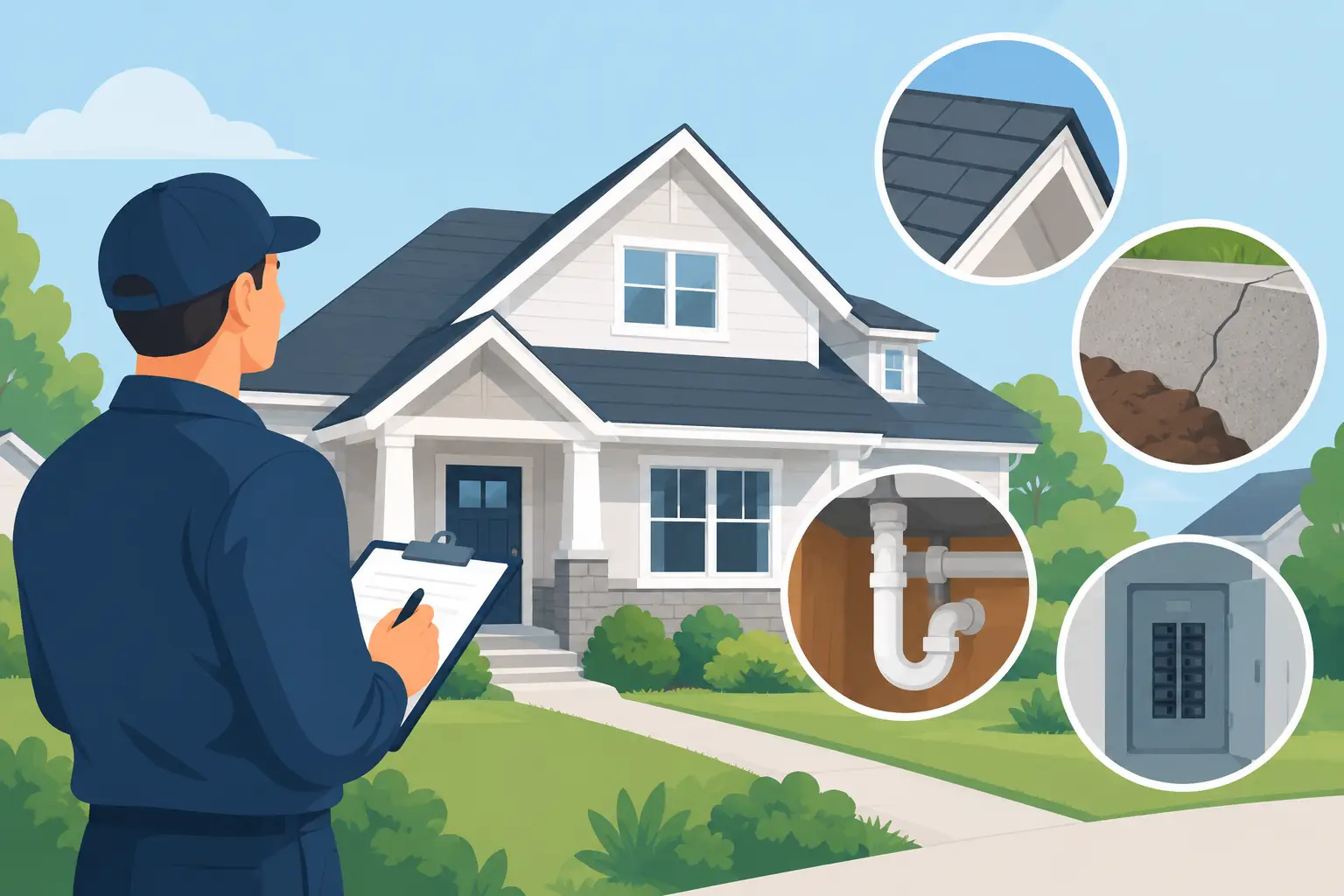
A thorough inspection commonly reviews the roof, exterior, structure, foundation, attic, insulation, plumbing, electrical system, heating and cooling equipment, interior rooms, windows, doors, kitchens, bathrooms, fireplaces, decks, and visible drainage conditions. The scope can vary with the property, weather, access, and the age of the home.
Why Buyers Should Inspect Before They Commit
The purchase price is only one part of the investment. A property with an aging roof, active foundation moisture, unsafe electrical work, or a failing heating system can require significant spending soon after closing. Without an inspection, buyers may learn about those costs only when a leak appears, a breaker trips repeatedly, or a furnace stops on a cold day.
A professional inspection also helps bring emotion back into balance. It is easy to focus on a renovated kitchen, a good location, or the pressure of competing offers. Those factors matter, but they should not prevent you from asking practical questions about the home’s systems and condition.
Inspection findings can support several reasonable next steps. Depending on the seriousness of the issues and the terms of your agreement, you may proceed with confidence, request repairs, negotiate a price adjustment, budget for future work, seek evaluation from a qualified specialist, or decide the risk is not right for you. The goal is not to create conflict in a transaction. It is to ensure that decisions are based on clear information.
What a Thorough Home Inspection Can Uncover
Some deficiencies are visible to any careful buyer, such as damaged siding or a loose handrail. Others are easy to miss during a brief viewing. An experienced inspector evaluates how components appear to be performing together and looks for evidence that may point to larger concerns.
Common findings include:
- Moisture staining, drainage concerns, roof wear, and signs of past or active water intrusion.
- Electrical safety issues such as improper panel connections, unprotected wiring, missing covers, or outdated components.
- Plumbing leaks, poor fixture drainage, corroded piping, and concerns around water heaters or supply lines.
- Heating and cooling deficiencies, including aging equipment, improper installation, restricted airflow, or conditions requiring service.
- Structural movement indicators, inadequate support, damaged framing, and issues in crawl spaces or attics.
- Unsafe decks, deteriorated exterior stairs, damaged flashing, and other exterior conditions that can affect safety and weather resistance.
The age of a home changes what an inspector looks for, but age alone does not make a property a poor choice. An older home may have solid construction and a history of thoughtful maintenance. A newer home may still have installation defects, drainage issues, or incomplete work. The report should help you distinguish normal age-related wear from defects that need prompt attention.
Thermal Imaging Adds Another Layer of Information
Thermal imaging can reveal temperature differences on surfaces that may not be obvious during a visual-only inspection. When used properly alongside moisture meters, visual observations, and professional judgment, infrared technology can help identify areas that deserve a closer look.
For example, a thermal pattern may suggest missing insulation, air leakage, possible moisture intrusion, or an electrical component producing unusual heat. Thermal imaging does not see through walls or diagnose every problem by itself. It is an additional tool, not a shortcut. Used as part of a complete inspection, it can help expose conditions that may otherwise remain hidden.
Infrared Home Inspections includes complimentary thermal imaging with every inspection because buyers deserve as complete an assessment as practical conditions allow. That added perspective can be particularly valuable in homes where visible finishes conceal the building systems behind them.
How to Read the Inspection Report Without Overreacting
A good report should be detailed enough to protect you but clear enough to use. It should identify what was observed, explain why it matters, include supporting photos where appropriate, and recommend the right next action. Same-day digital reporting is especially useful when an inspection deadline is close.
Do not treat every note as a deal breaker. Even well-maintained homes produce inspection reports. Small maintenance items, minor cosmetic wear, and upgrades that are optional should be viewed differently from a suspected structural issue, an active leak, or an immediate electrical hazard.
A practical way to review findings is to sort them by urgency. Safety concerns and active water intrusion generally deserve prompt attention. Major system defects may require pricing from a qualified contractor. Routine maintenance items can often become part of your first-year homeownership plan. If a finding is unclear, ask the inspector to explain it in plain language and discuss whether specialist review is warranted.
Questions Worth Asking During the Review
Your inspection report should not be the end of the conversation. Ask which findings are most urgent, which issues may affect safety or financing, and what maintenance should be expected in the near term. You can also ask whether the concern appears isolated or whether it may indicate a broader condition.
A responsive inspector should be available to walk through the report with you and, when appropriate, your real estate agent. That conversation helps prevent a common mistake: interpreting a technical note as either much more serious or much less serious than it actually is.
Choosing an Inspector Who Protects Your Interests
The right inspector is not simply the first available appointment. Look for training, relevant credentials, insurance coverage, clear reporting, and an inspection approach that gives you time to ask questions. Trade experience can be especially valuable when evaluating electrical systems, construction details, and the practical implications of observed defects.
Also consider the tools and service behind the report. Thermal imaging, a thorough inspection process, mobile-friendly reporting, and direct post-inspection support can make a meaningful difference when you need to make decisions quickly. Weekend availability may matter when your transaction timeline is tight.
Be cautious of anyone who minimizes concerns to keep a deal moving, or who turns ordinary maintenance into unnecessary alarm. A buyer-focused inspector should be honest about uncertainty. Some conditions cannot be fully assessed without opening walls, moving stored belongings, or having a specialist perform further testing. Clear limits are part of a credible inspection, not a weakness.
When to Schedule Your Inspection
Schedule as soon as your accepted offer includes an inspection condition. This gives you enough time to receive the report, discuss findings, obtain contractor estimates if needed, and work with your agent before deadlines expire. Waiting until the final day can leave little room for careful decisions.
If possible, attend the inspection or meet the inspector near the end for a walkthrough. You will gain a better understanding of the property, see important findings in context, and begin planning for ownership before closing. Bring questions, but allow the inspector time to complete the evaluation without interruption.
Buying a home will always involve some uncertainty. A careful inspection does not remove every risk, but it gives you a clearer view of the one you are considering. Before your inspection condition expires, choose the information that helps you protect your investment, negotiate with confidence, and move forward with real peace of mind.